Browse

Log in / Register
 Share

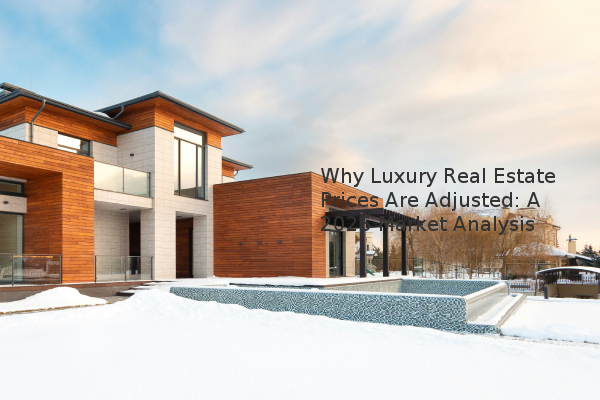
In the high-stakes luxury real estate market, significant price adjustments are a strategic tool rather than a sign of desperation. Based on our experience assessment, a price reduction on a premium property often reflects a sophisticated recalibration to current market dynamics, aiming to reignite interest among a smaller pool of qualified buyers. This strategy can be particularly effective in the latter half of the year, as sellers seek to close deals before the new year.
What prompts a major price reduction on a luxury property?
A substantial price cut, such as a reduction of several million dollars, is typically not a knee-jerk reaction. It is often the result of a comprehensive market reassessment after an initial listing period fails to generate a serious offer at the asking price. Key factors include shifts in the broader economic landscape, changes in mortgage interest rates for high-value loans (often referred to as jumbo loans), and an accurate re-evaluation of comparable properties, or "comps," that have recently sold. When a property sits on the market for an extended period, like two years, it signals to potential buyers that the initial price may not have been aligned with perceived value. A strategic price adjustment corrects this misalignment and demonstrates seller motivation, which can spur action from buyers who were previously观望.
How do luxury property features justify multi-million dollar price points?
The value proposition of a luxury home extends far beyond square footage. It is defined by a combination of irreplaceable location, architectural pedigree, bespoke finishes, and exclusive amenities. For example, a full-floor residence in a historic, J.E.R. Carpenter-designed building on Manhattan's Fifth Avenue offers a level of prestige and craftsmanship that is scarce. Key value drivers include:
These elements collectively justify a premium price tag, as they cannot be easily replicated.
Is now a strategic time to consider luxury real estate investments?
Market data from 2025 into 2026 suggests a period of price stabilization in certain high-end markets, creating potential opportunities. Following a period of rapid appreciation, some markets are experiencing a price correction, making values more accessible than in previous peaks. For instance, while a property might have sought $80 million in a bullish 2013 market, a $50 million price point in 2026 may represent a more realistic valuation based on current economic conditions. This environment can benefit patient buyers who have been waiting for a more favorable entry point. However, such investments remain highly sensitive to economic forecasts and personal financial circumstances.
Conclusion
Navigating luxury real estate requires an understanding that pricing is dynamic. A significant price reduction is a strategic move to attract serious buyers in a nuanced market. For prospective buyers, the latter part of the year can present opportunities to negotiate from a position of strength, especially with properties that have undergone price adjustments. Ultimately, the value of a luxury property is a blend of tangible assets and intangible prestige, and its price is ultimately determined by what a ready and willing buyer agrees to pay in the current market climate.