Browse

Log in / Register
 Share
Share
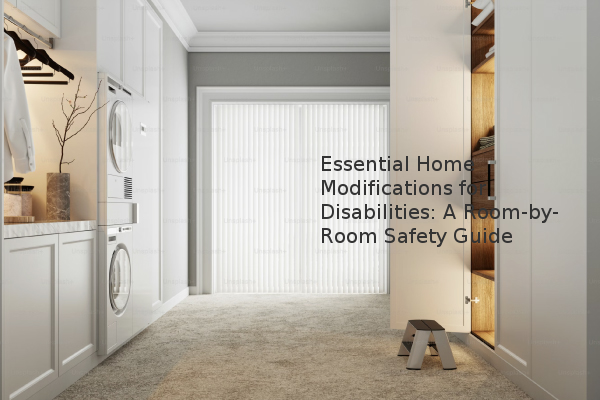
Creating a safe and accessible home is crucial for individuals with disabilities, older adults planning to age in place, or anyone with mobility challenges. Key modifications include installing ramps, widening doorways, adding grab bars, and creating a zero-step entry, which can significantly reduce the risk of accidents and improve daily living. This guide provides a room-by-room assessment to help you prioritize changes that enhance safety and accessibility, potentially increasing your home's value and appeal.
Begin your safety assessment at the property's edge. Ensure your house number is clearly visible from the street, day and night, for emergency personnel. Pathways and driveways must be smooth, wide, and free of cracks that could catch a walker or wheelchair tire. At least one entrance should feature a zero-step entry, either through a flat threshold or a ramp with a 1:12 slope ratio, railings on both sides, and non-slip, textured surfaces. For areas with snow, like Boulder, CO, having ice melt readily available is essential. Installing motion-sensor lights along paths improves safety, saves energy, and acts as a security deterrent.
Adequate lighting is paramount in interior transition areas. Install light switches at both ends of long hallways and the top and bottom of staircases. Replace traditional doorknobs with lever-style handles for easier operation if you have limited hand mobility or strength. To minimize tripping hazards, remove area rugs or secure them firmly with double-sided carpet tape or non-slip pads. For added security, your main entry door should have a viewfinder at a comfortable height and a security chain.
The CDC reports approximately 235,000 emergency room visits annually due to bathroom injuries, making this room a top priority for modifications. A roll-in or walk-in shower with a built-in seat and grab bars is the safest option, eliminating the need to step over a high tub wall. Grab bars should be installed vertically and horizontally, secured into wall studs for maximum support. Consider an elevated or height-adjustable toilet seat with armrests. For the sink, a wall-mounted countertop style offers knee clearance and support. Insulate exposed pipes under the sink to prevent burns, and consider an angled mirror for better visibility.
| Modification | Key Benefit | Professional Installation Recommended? |
|---|---|---|
| Walk-in Shower | Eliminates stepping hazard | Yes |
| Grab Bars | Provides stability and support | Yes |
| Elevated Toilet | Eases transfers | No (many are DIY) |
| Lever Faucets | Easier to operate with limited grip | Yes |
An accessible kitchen requires planning for seated use. Ensure at least one work surface, such as a section of countertop, is at a height that allows for knee clearance (typically 27-34 inches high). Similarly, the sink should be shallow enough to use from a seated position, with insulated pipes. Stove controls should be on the front panel to avoid reaching over hot burners. Organize items for efficiency: place heavy pots and frequently used dishes on lower shelves, and use pull-out shelves or Lazy Susans in cabinets. Maintain a 2-foot heat-resistant landing space next to the stove for safely moving hot pots.
Focus on creating clear, unobstructed pathways. Choose low-pile carpeting (about 1/4 inch thick) for easier mobility with walkers or wheelchairs, while still providing comfort. Arrange furniture with ample space to navigate and secure all electrical cords along baseboards. In the bedroom, a securely mounted grab bar near the bed can assist with transfers. Ensure a telephone or charged mobile phone is always within reach from the bed for emergencies. Pad sharp corners on furniture to prevent injuries.
While the primary goal is improved safety and accessibility, many universal design features appeal to a broader range of buyers, potentially increasing resale value. Features like a zero-step entry, wider doorways, and a step-free shower are attractive to families with young children, older adults, and anyone looking for a more convenient home.
Always consult a licensed contractor for installations involving structural changes, plumbing, or electrical work. They can ensure modifications like grab bars and ramps are safely and correctly installed. Be prepared to discuss your specific needs to create a home that is both secure and comfortable for you.