Browse

Log in / Register
 Share

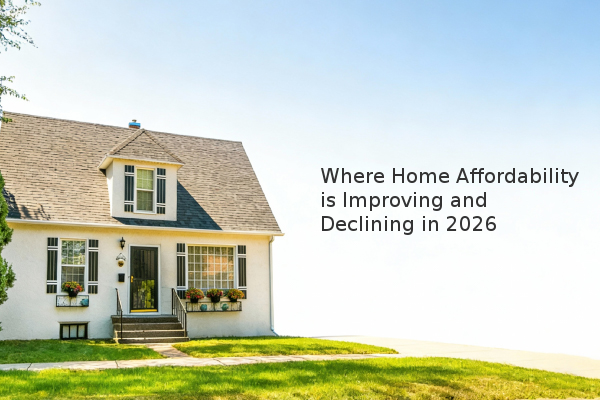
As of 2026, a significant shift is occurring in the U.S. real estate landscape, with home affordability improving in about 81% of the largest housing markets. This positive trend is primarily driven by a combination of lower mortgage rates—loans used to purchase property—and stronger household income growth. However, this national trend masks a sharp divide; affordability is increasingly concentrated in mid-sized metros in the Midwest and South, while smaller, in-demand cities are experiencing accelerated price growth that places homeownership out of reach for more locals.
The recent increase in affordability stems from two key economic factors. First, mortgage interest rates have retreated from their previous highs. Second, based on our experience assessment, incomes have grown steadily for many Americans over the past year. When monthly mortgage payments become more manageable relative to take-home pay, buyers can qualify for more homes within their budget. This dynamic is most evident in markets with a healthy supply of homes for sale, which helps prevent the intense bidding wars that characterized the previous decade.
The metros experiencing the greatest gains in affordability are typically characterized by strong, diverse job markets and an adequate inventory of homes. This balance prevents the double-digit inventory plunges that lead to rapid price appreciation. In these areas, a broader range of buyers, from millennials seeking starter homes to baby boomers looking to downsize, are finding opportunities to enter the market or trade up.
The most significant improvements in affordability are concentrated in the nation's heartland. Leading the list is Allentown, Pennsylvania, where the median list price sits at $224,950—substantially below the national median. This price point means that households earning the area's median income can afford approximately 59% of the listings in the market. The city's location within 90 miles of New York City and its revitalizing downtown are attracting buyers from more expensive regions.
Close behind is Des Moines, Iowa, where a surge in homes for sale has contributed to an 8.1% year-over-year price drop. With 5.7% more inventory available than the previous year and a robust job market, buyers have more options and less pressure to engage in bidding wars. The increased housing inventory—the number of homes listed for sale—is a critical factor in stabilizing prices and improving buyer access.
Even some historically expensive markets, like San Francisco, have seen a slight improvement in affordability due to flattening price growth after years of sharp increases. However, with a median price still near $940,000, affordability remains severely constrained for the average buyer.
In contrast, affordability has declined most sharply in smaller metropolitan areas that are attracting cost-conscious buyers from other parts of the country. The primary culprit is a severe lack of inventory, which creates intense competition and drives up prices. When the number of homes for sale plummets, buyers are forced to compete for limited options, leading to prices that outpace local income growth.
Tulsa, Oklahoma, exemplifies this trend, where the number of homes for sale dropped by roughly 26% in a single year. This inventory crunch caused the median list price to jump by nearly 15% to $246,700. Similar dynamics are at play in other markets where affordability is worsening, including:
In these areas, high demand from relocating buyers and investors is straining the available supply, making it increasingly difficult for local residents to purchase a home.
For buyers navigating this split market, a strategic approach is essential. Research markets with stable or growing inventory levels, as this is a strong indicator of less competitive buying conditions. Focus on pre-approval for a mortgage to understand your precise budget and strengthen your offer when you find a suitable property. Most importantly, be prepared to act quickly in markets with declining inventory, but avoid stretching your budget beyond what is sustainable based on your income.
The key takeaway is that opportunities exist, but they are highly regional. Affordability is no longer a nationwide issue but a hyper-local one, requiring buyers to conduct thorough research on specific cities and neighborhoods.