Browse

Log in / Register
 Share

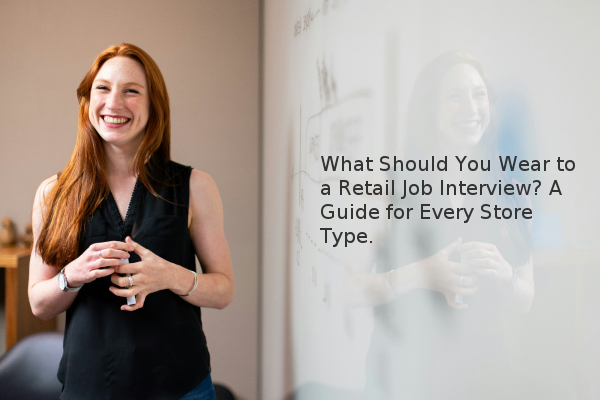
The most appropriate outfit for a retail job interview isn't one-size-fits-all; it depends heavily on the specific store's brand, culture, and the role's seniority. Dressing to match the company's image demonstrates industry awareness and respect, significantly boosting your chances of making a positive first impression. This guide provides actionable advice, from luxury boutiques to supermarkets, to help you choose the perfect interview attire.
Your interview outfit should act as a non-verbal cue that you understand and fit into the company's environment. Candidate screening processes often include a subjective assessment of cultural fit, and your attire is a key component. Below is a comparison of general dress codes across different retail sectors.
| Retail Environment | Recommended Attire | Key Considerations |
|---|---|---|
| Supermarkets & Discount Stores | Business Casual (e.g., khakis/clean dark jeans with a collared shirt or blouse) | Prioritize neat, practical, and wrinkle-free clothing to show you're ready for a hands-on role. |
| Department Stores | Business Attire (e.g., a suit, blazer with smart trousers/skirt) | Lean towards a more polished look that reflects the store's broad, often slightly upscale, appeal. |
| Fashion Retail | Brand-Appropriate Chic | Research the brand and wear an outfit that aligns with its current style. This shows fashion savvy. |
| Jewelry & Designer Shops | Business Professional (e.g., a full suit, pencil dress in muted colors) | The most formal option, demonstrating respect for the brand's luxury positioning and clientele. |
| E-commerce (Video Interview) | Smart Top (e.g., solid-colored blouse or button-down shirt) | Avoid small patterns; stick to camera-friendly colors like blue, black, grey, or white. |
Investing time to research the company before your interview is one of the most effective ways to determine the ideal attire. Employer branding communicates a company's values and target audience, which are directly reflected in its dress code. Visit the store beforehand or browse its social media to observe what employees wear. For a teen-focused apparel store, a sharp, on-trend casual outfit may be more appropriate than a formal suit. Conversely, a brand catering to high-end clients will expect a more formal presentation. This step shows the hiring manager you've done your homework and are genuinely interested in representing their brand accurately.
Regardless of the specific retail setting, several universal rules apply to ensure you look polished and professional.
To maximize your impact, your goal is to show you already look the part. Dressing appropriately is a powerful form of non-verbal communication that you understand the company's culture and customer expectations. By researching the brand and following these guidelines, you present yourself as a knowledgeable and credible candidate, ready to step into the role.