Browse

Log in / Register
 Share
Share
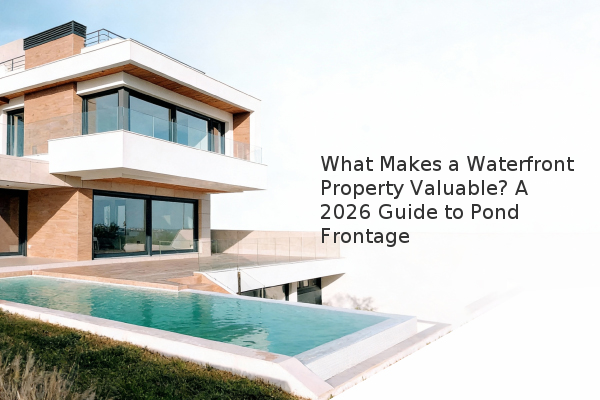
Pond frontage can significantly enhance a property's value and appeal, often commanding a premium over similar homes without water access. Based on our experience assessment, features like a private, stocked pond are key differentiators in markets where outdoor living is highly prized. The value isn't just aesthetic; it offers recreational opportunities and a unique lifestyle that attracts a specific buyer segment. Understanding the financial and practical implications of owning such a property is crucial for both sellers pricing their homes and buyers evaluating their investment.
What is the Tangible Value of Pond Frontage? The financial impact of water frontage is measurable. While market conditions vary, properties with direct access to water bodies like ponds often see a premium of 10% to 25% compared to similar inland properties. This premium is justified by the scarcity of such lots and the high demand for recreational amenities. For a home valued around $300,000, like a 2,900-square-foot Cape Cod-style home (a classic American architecture characterized by a steep roof and central chimney), the pond frontage could add tens of thousands of dollars in value. The appeal lies in offering immediate access to activities like fishing—even if it's a catch-and-release policy for species like bluegill and smallmouth bass—without leaving the property, enhancing the overall living experience.
Beyond the View: What are the Key Considerations for a Waterfront Home? Purchasing a waterfront property involves more than just the view. Key considerations include maintenance responsibilities, potential for flooding, and specific regulations. Homeowners may be responsible for maintaining the shoreline, which can involve erosion control. It's also critical to review local ordinances, often called "riparian rights," which govern what you can and cannot do on your water frontage. These can regulate everything from building docks to the types of watercraft permitted. A thorough property inspection should include an assessment of the land's grading and the home's foundation to mitigate any water-related risks, ensuring the dream home doesn't become a liability.
How Does a Home's Style and Location Influence its Marketability? The architectural style and location work in tandem with water frontage to determine a property's marketability. A well-maintained Cape Cod in a region like the Midwest, approximately 30 minutes from a major metropolitan area, holds broad appeal for its classic design and convenient location. Other desirable features that complement the waterfront lifestyle include a finished basement for additional living space and modern kitchen updates like granite countertops. For a buyer relocating from a high-cost area, such a property can represent a significant value, offering a lifestyle change and a potentially more affordable cost of living, making it a compelling purchase.
What Should You Understand About Property Taxes and Insurance? Owning a desirable feature like pond frontage can affect ongoing costs. Property Tax, an annual levy imposed by local governments based on the assessed value of real estate, may be higher due to the increased valuation from the water access. Furthermore, homeowners insurance might require additional riders or flood insurance, depending on the property's specific location relative to the water table and historical flood data. It is essential to factor these potential cost increases into your long-term budget when considering a waterfront home to have a clear picture of the total ownership expenses.
When Relocating, How Do You Evaluate a New Market? Relocating, whether for a career opportunity or lifestyle change, requires careful market evaluation. Key factors include comparing the cost of living and housing price benchmarks between your current and target locations. A move from a suburban Wisconsin market to a metropolitan area like Alexandria, Virginia, near Washington, D.C., will involve a significant shift in housing costs, as seen in the difference between a $300,000 home and one valued over $1 million. Researching property taxes, community amenities, and commute times is essential. Proximity to historical sites or major rivers like the Potomac may offer new recreational opportunities, but the core financial implications of the move must be the primary focus.
In conclusion, a waterfront property is a unique asset that blends lifestyle benefits with financial considerations. For sellers, highlighting the recreational and aesthetic value of features like a private pond is crucial for attracting the right buyer. For buyers, a comprehensive understanding of maintenance, regulations, and associated costs is non-negotiable. Always conduct thorough due diligence, including specialized inspections and a review of local waterway regulations, to ensure your investment is sound and your enjoyment of the property is secure for years to come.