Browse

Log in / Register
 Share
Share

In 2026, purchasing a house with a view commands a significant price premium, often adding 10% to 25% or more to the property's value compared to a similar home without the scenic amenity. This premium is influenced by the view type, quality, and market location, representing a substantial long-term investment.
Not all views are valued equally. The premium is highly dependent on the desirability and permanence of the scenery. A water view, particularly an unobstructed ocean or large lake vista, typically adds the highest value, sometimes exceeding 25%. This is followed by skyline views in metropolitan areas and mountain or park views, which offer a sense of permanence as they are less likely to be developed. A less valuable view might be of a golf course or a street scene, which can still add a premium but is more susceptible to change. The key factor is scarcity; in a coastal city, an ocean view is rare, whereas in a mountainous region, it might be more common, affecting the premium.
To illustrate, consider the following estimated premium ranges for different view types in a high-demand market:
| View Type | Estimated Value Premium (2026) | Key Considerations |
|---|---|---|
| Unobstructed Ocean View | 20% - 40%+ | Highest scarcity, subject to erosion/insurance factors. |
| City Skyline View | 15% - 30% | Value can increase with new city development. |
| Mountain/Preserve View | 10% - 25% | High permanence, often preferred for privacy. |
| Lake or River View | 10% - 20% | Varies by water body size and access rights. |
| Golf Course View | 5% - 15% | Can be negated by errant golf balls or noise. |
The initial premium is only part of the financial picture. Properties with prime views often come with higher ongoing costs. Property taxes are calculated based on the assessed value, meaning the view premium will lead to a higher annual tax bill. Additionally, homeowners insurance can be more expensive, especially for properties in high-risk areas like coastal cliffs. It is also crucial to investigate any view protection ordinances or conservation easements that may prevent future construction from blocking your sightline. Without these protections, a valuable view can be lost overnight.
An appraiser determines the value added by a view using the sales comparison approach. They will find recent sales of comparable homes (comps) both with and without views in the same area. The price difference between these comps quantifies the view's contribution to the market value. For example, if three-bedroom homes without a view sell for $800,000 and nearly identical homes with a view sell for $1,000,000, the appraiser may attribute a $200,000 (25%) premium to the view. This objective analysis is essential for securing a mortgage, as the lender needs to ensure the property's value justifies the loan amount.
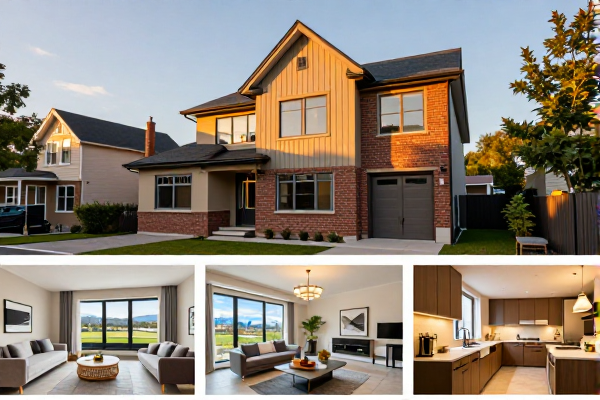
For buyers, it's vital to verify the view's permanence through local planning departments and title reports. A higher offer may be justified for a protected, unobstructed view. For sellers, investing in strategic home improvements that enhance the view can yield a high return. This includes installing larger windows, creating outdoor living spaces like decks or patios oriented toward the vista, and ensuring landscaping does not grow to block the sightline. These enhancements frame the property's best feature, potentially increasing the premium beyond the local average.
Ultimately, a house with a view offers intangible lifestyle benefits alongside financial ones. While the upfront cost and carrying expenses are higher, the combination of personal enjoyment and strong equity potential makes it a compelling choice for many homeowners in 2026. Before committing, research local market trends, understand all associated costs, and confirm the view's long-term viability to ensure your investment is sound.