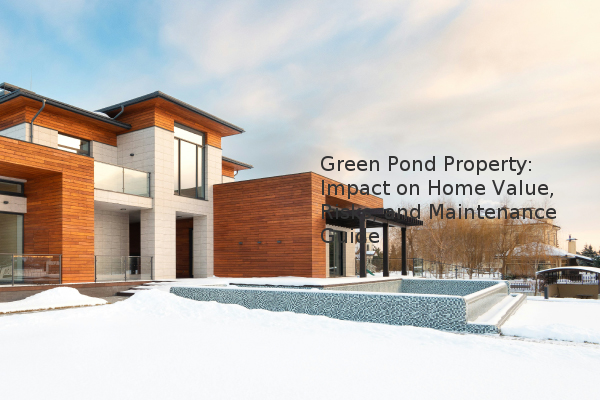
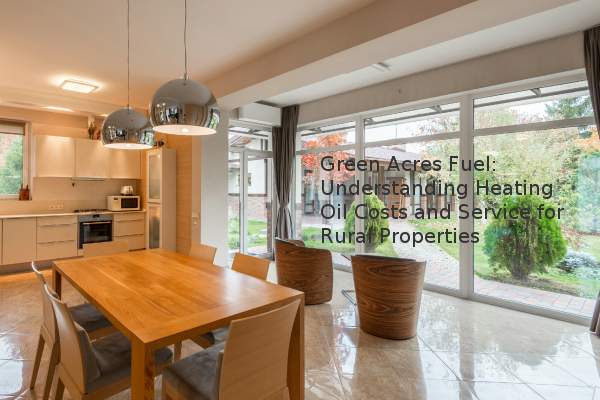
A turnkey home is a property that is marketed as being ready for immediate move-in, requiring no significant repairs, renovations, or improvements. Based on our experience assessment, the primary benefit is convenience, but this often comes with a premium price tag of 5% to 25% higher than a comparable non-renovated home. The core appeal is for busy professionals, families, and passive investors who prefer to avoid the time and stress of a renovation project. However, the term "turnkey" is not rigorously defined, making thorough inspection and verification of the property's condition essential before purchase.
What Exactly Defines a Turnkey Property?
In real estate, a turnkey property is intended to be as hassle-free as purchasing a new appliance—you "turn the key" and start living. This means all major systems (HVAC, plumbing, electrical), appliances, and cosmetic finishes (paint, flooring) should be in excellent, move-in-ready condition. The goal is to eliminate the need for immediate investment of additional time or money. It's crucial to understand that this is a marketing term. As industry professional Steve Shwetz notes, its interpretation can vary significantly between sellers. A genuine turnkey home should have no visible signs of wear and all components should be recently updated or in like-new condition.
Who Are Turnkey Homes Best Suited For?
This type of property is not for every buyer. They are typically most advantageous for specific lifestyles and investment strategies.
- Busy Professionals and Families: Individuals with demanding careers or young children often lack the time or desire to manage contractors and live through a renovation. A turnkey home allows them to focus on their priorities without the added project.
- Out-of-State Investors: For investors who do not live near their rental property, a turnkey solution can be ideal. Many companies offer turnkey investment packages that include the property itself, along with property management services like tenant placement and maintenance.
- Passive Income Seekers: Investors looking for a relatively hands-off approach to real estate can benefit from a turnkey rental property. Since it is already updated, you can find a tenant and begin generating rental income much faster than with a fixer-upper.
What Are the Potential Downsides of a Turnkey Home?
The convenience of a move-in-ready home carries several inherent trade-offs that buyers must weigh.
- Higher Purchase Price: The most significant drawback is the cost. You are paying a premium for the completed work. Estimates suggest this premium can range from 5% to 25% over a similar home in the same neighborhood that needs cosmetic or functional updates.
- Subjectivity of "Move-In Ready": As mentioned, one seller's definition of "turnkey" might be another's definition of "needs updating." A property might be superficially attractive but have underlying issues or low-quality workmanship that only a detailed inspection can reveal.
- Less Personalization: If you enjoy customizing your living space to your exact taste, a turnkey home may feel too generic. You might end up paying a premium for finishes and designs you would not have chosen yourself, leading to a desire to remodel sooner than expected.
What Critical Questions Should You Ask Before Buying?
To protect your investment, due diligence is non-negotiable. Do not rely solely on the "turnkey" label.
- Request a Detailed List of Upgrades: Ask the seller or their agent for a comprehensive list of all repairs, replacements, and renovations completed, including the dates and, if possible, the contractors used.
- Hire an Independent Home Inspector: This is the most critical step. A qualified inspector can assess the quality of the workmanship and identify any hidden problems that cosmetic updates may have concealed. Pay special attention to plumbing, electrical, and structural elements.
- Evaluate the Quality, Not Just the Appearance: Look beyond fresh paint and new appliances. Are the cabinets sturdy, or were they just painted over? Is the tile work even and professional? High-quality materials and craftsmanship are what make a home truly turnkey in the long term.
Conclusion: Key Takeaways for Buyers
A turnkey home offers undeniable convenience but requires a cautious and informed approach. The premium price must be justified by verified, high-quality renovations. Always commission an independent home inspection to look beyond surface-level improvements. For the right buyer—someone who values time over project management—a true turnkey property can be an excellent choice. Ultimately, the responsibility falls on the buyer to verify that the property lives up to its marketing claims.


 Share
Share