Browse

Log in / Register
 Share
Share
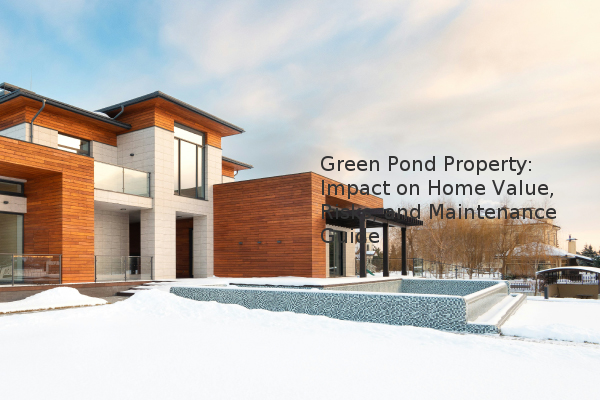
A property with a green pond can be a significant consideration for both buyers and sellers, directly impacting curb appeal and perceived value. While a well-maintained water feature can be an attractive amenity, a water body exhibiting algal blooms often signals neglect and potential health hazards. The core conclusion is that a green pond typically decreases property value due to associated maintenance costs and risks, but strategic remediation can transform it into a neutral or even positive asset. This guide examines the financial implications, underlying causes, and actionable solutions.
The green coloration is primarily caused by algal blooms. These blooms occur when excess nutrients, particularly nitrogen and phosphorus, enter the water. Common sources include fertilizer runoff from lawns, septic system leakage, and natural decomposition of organic matter like leaves and grass clippings. Warm weather and sunlight accelerate this process. It is crucial to understand that a green pond is a symptom of an imbalance in the water's ecosystem, not just a cosmetic issue. Addressing the root cause is essential for a long-term solution.
The impact on property value is generally negative. From an appraiser's perspective, a neglected pond is seen as a liability. It can detract from the home's overall aesthetic and raise red flags about deferred maintenance elsewhere on the property. Potential buyers may factor in the immediate cost of remediation, which can range from a few hundred dollars for chemical treatments to tens of thousands for professional dredging and landscaping. In a competitive market, a green pond can be the deciding factor that causes a buyer to choose a different property. However, a clean, clear, and well-integrated pond can be a valuable landscape feature, potentially increasing value in certain markets.
Here is a breakdown of potential costs and value impacts:
| Scenario | Estimated Impact on Property Value | Typical Remediation Cost |
|---|---|---|
| Severely Neglected Green Pond | Decrease of 5-15% | $5,000 - $20,000+ |
| Minor Algae Issue (Addressable) | Neutral to Slight Decrease | $500 - $2,000 |
| Professionally Maintained Pond | Neutral to Slight Increase | Ongoing: $500 - $1,500/year |
Beyond aesthetics, a green pond poses several risks. Stagnant water with algal blooms can be a breeding ground for mosquitoes. Some types of blue-green algae can produce toxins harmful to pets, wildlife, and even humans. The presence of a pond also raises questions about liability insurance, especially if the property is accessible to children. Maintenance is an ongoing commitment. It involves seasonal cleaning, managing aquatic vegetation, and ensuring proper aeration to maintain a healthy oxygen level. Installing a aerator or water fountain is a common method to improve water circulation and reduce algae growth.
For sellers, the most prudent step is to address the pond's condition before listing the property. A clean pond can be marketed as a premium feature. If remediation before sale isn't feasible, be prepared to adjust the asking price or offer a credit at closing to cover the estimated cost for the buyer. For buyers, it is essential to conduct thorough due diligence. This includes getting quotes from pond management companies to understand repair costs and requesting a home warranty that may cover specific equipment like aerator pumps. Always base your offer on the property's as-is condition, factoring in the expense of making the pond an asset rather than a liability.
In summary, the key to managing a green pond is proactive assessment and action. For sellers, investing in cleanup can prevent a significant value deduction. For buyers, understanding the full scope of required maintenance and costs is critical to making a sound investment decision. A professional inspection and cost estimates are non-negotiable steps in the real estate transaction process when a water feature is involved.