Browse

Log in / Register
 Share

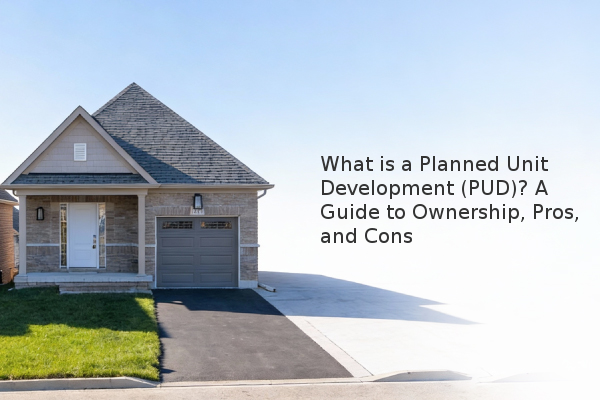
Understanding the key differences between a Planned Unit Development (PUD) and other common housing types like condominiums is crucial for any homebuyer. A PUD is a community where homeowners own their individual lot and structure, similar to a single-family home, but share common amenities managed by a homeowner's association (HOA). This structure offers a blend of private ownership and community living, but comes with specific financial and lifestyle considerations that you must evaluate before purchasing.
What exactly is a Planned Unit Development (PUD)?
A Planned Unit Development (PUD) is a carefully planned residential community that can include single-family homes, townhomes, and sometimes even commercial spaces like shops or cafes. The critical distinction lies in the ownership model. When you buy a property in a PUD, you receive fee simple ownership of both your home and the land it sits on. This differs significantly from a condominium, where you typically own only the interior space of your unit and an undivided interest in the common areas. Many PUDs are master-planned communities designed with shared amenities such as parks, pools, and recreational facilities, which are maintained by a mandatory HOA.
How does a PUD differ from a condo or a single-family home with an HOA?
The primary difference between a PUD and a condominium is the extent of property ownership. In a PUD, your ownership is more akin to a traditional house. You are responsible for the maintenance of your entire lot, including the structure, yard, and driveway. In a condo, the HOA is usually responsible for exterior maintenance. While both PUDs and single-family home neighborhoods can have HOAs, the PUD’s HOA typically manages a more extensive set of common area amenities and may enforce stricter design guidelines to maintain a cohesive community aesthetic.
What are the advantages of buying a home in a PUD?
Based on our experience assessment, PUDs offer several compelling benefits for the right buyer.
What are the potential drawbacks of PUD ownership?
It’s essential to balance the advantages with the potential challenges.
What key steps should you take before buying a PUD?
Before making an offer on a home in a Planned Unit Development, due diligence is paramount.
Buying a home in a Planned Unit Development requires careful research to ensure it aligns with your financial goals and lifestyle preferences. The combination of private property ownership and shared community amenities can be an excellent fit for many, but the associated HOA obligations are a significant long-term commitment. Be sure to review all HOA governing documents and budget for the monthly fees to make a fully informed decision.