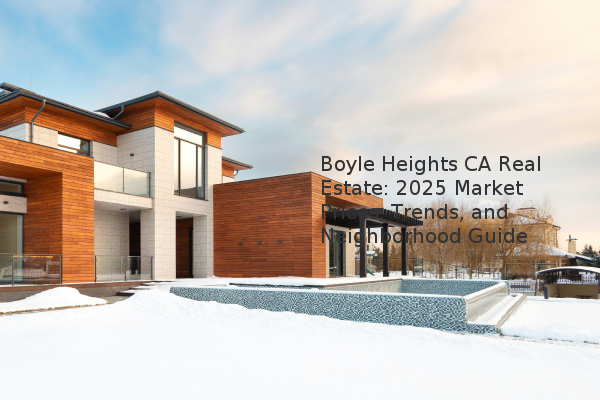
A green home is a residential property designed and built to minimize its environmental impact through the efficient use of energy, water, and materials. Based on our experience assessment, the core benefits include significant utility savings, a reduced carbon footprint, and often, increased property value. This guide outlines the defining features of an eco-friendly home and practical steps for homeowners.
What Defines a Green Home in 2026?
In contemporary real estate, a green home goes beyond a simple label. It is constructed with a holistic approach to sustainability. This means the entire life cycle of the house—from the sourcing of materials to its daily operation—is considered. The framework for this is often provided by certification systems like LEED (Leadership in Energy and Environmental Design), a widely recognized standard for green building. A home that implements a variety of sustainable techniques can meet these rigorous green building standards, which focus on several key areas.
What are the Key Features of an Energy-Efficient Home?
Several core elements contribute to a home's green credentials. These features work together to create a more efficient and healthier living environment.
- Location and Design: Green homes are strategically situated and designed to work with their environment. This can include orienting the house to face south to maximize passive solar heating in colder climates, thereby reducing reliance on artificial systems.
- Sustainable Materials: The construction utilizes environmentally friendly materials. These are often locally sourced to reduce transportation emissions, renewable (like bamboo flooring), recycled, or low in volatile organic compounds (VOCs) for better indoor air quality.
- Energy Consumption: A primary goal is to drastically lower energy use. This is achieved through superior insulation, high-efficiency HVAC systems, and Energy Star-rated appliances, which consume less electricity than standard models. The ultimate step is generating clean power on-site with solar panels.
- Water Usage: Conservation is key. Green homes incorporate efficient plumbing fixtures like low-flow toilets and showerheads. Some systems may include rainwater harvesting for irrigation, and landscaping with native plants that require minimal watering.
How Can You Make Your Existing Home More Green?
You don't need to build a new house to benefit from green principles. Numerous upgrades can enhance your home's efficiency and sustainability. The following actions are predictable ways to reduce your environmental impact and utility bills.
- Conduct an Energy Audit: A professional audit can identify areas of energy loss, such as leaks around windows and doors. Sealing these leaks is a cost-effective first step.
- Upgrade Appliances and Systems: When old appliances need replacing, choose Energy Star models. Consider installing an on-demand hot water heater, which heats water only when needed, eliminating standby energy loss. Switching to LED light bulbs uses a fraction of the electricity of incandescent bulbs.
- Adopt Energy-Smart Habits: Behavioral changes have a substantial impact. Using cold water for laundry can save up to 80% of the energy used per load. Adjusting your thermostat by just two degrees in summer and winter can save the equivalent of hundreds of dollars annually on heating and cooling. Unplug electronics when not in use to combat "phantom load" energy drain.
The movement towards green homes is driven by a combination of environmental awareness and practical economic benefits. By focusing on efficiency and sustainability, homeowners can create more comfortable living spaces while making a positive long-term investment. The steps to achieve this, whether large-scale renovations or small habitual changes, are increasingly accessible in 2026.


 Share