Browse

Log in / Register
 Share
Share
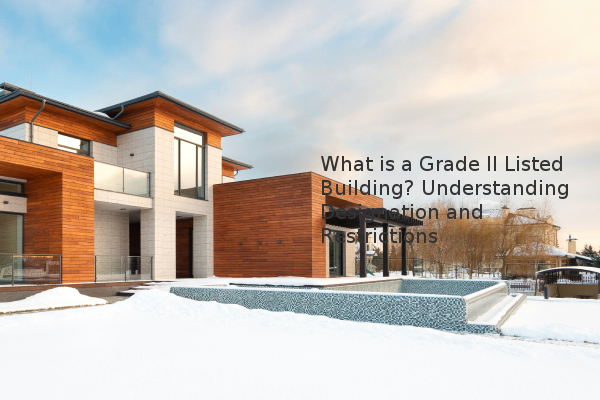
A Grade II listed building is a property designated as having special architectural or historical interest in England and Wales, which comes with legal protections that strictly control any alterations, extensions, or demolition. For homeowners, this means significant restrictions on modifications without obtaining formal "Listed Building Consent" from the local planning authority. Understanding this classification is crucial before purchasing a historically significant property, as it impacts everything from routine maintenance to major renovation plans.
What does the Grade II designation mean for a homeowner?
The primary implication of owning a Grade II listed building is the limitation on what you can change. The designation protects the entire building, both inside and out, and often includes other structures within the property's grounds. While this status preserves the property's unique character, it means you cannot proceed with work that affects its character without permission. This includes seemingly minor changes like replacing windows, installing new flooring, or even repainting if it involves removing historical layers of paint. The core principle is that any work requiring consent must be sympathetic to the original design and use appropriate materials, which can be more costly and time-consuming than standard modern renovations.
How does the listed building consent process work?
The process for obtaining Listed Building Consent is separate from, and often more rigorous than, standard planning permission. You must submit a detailed application to your local council’s planning department, which will involve consultations with conservation officers. These specialists assess the impact of your proposed changes on the building's historical and architectural significance. Approval is not guaranteed and is based on a meticulous evaluation. Proceeding with unauthorized work on a listed building is a criminal offense, which can lead to unlimited fines and even a prison sentence. You can also be forced to reverse the unauthorized work at your own expense.
What are the key considerations before buying a Grade II listed property?
Purchasing a listed building is a major commitment that requires careful due diligence. Based on our experience assessment, potential buyers should prioritize the following:
Can you make any changes to a Grade II listed building?
Yes, changes are possible, but they must be carefully considered and approved. The goal is not to prevent all change but to manage it appropriately. Common approved alterations might include upgrading plumbing or electrical systems, provided the work is discreet and does not damage historic fabric. Installing modern kitchens or bathrooms can also be approved if the design is sensitive and the original fixtures are not of significant historical value. The key is to work collaboratively with conservation officers from the outset, presenting well-researched plans that demonstrate a clear understanding of the building's heritage.
Owning a Grade II listed building is a rewarding experience that comes with a responsibility to preserve a piece of history. While the restrictions are real, they protect the unique features that make the property special in the first place. The most critical step is to understand the legal obligations fully before finalizing a purchase. Engaging with specialists, from surveyors to architects with conservation expertise, can help navigate the process smoothly and ensure you are making an informed decision about stewarding a unique asset for future generations.