Browse

Log in / Register
 Share
Share
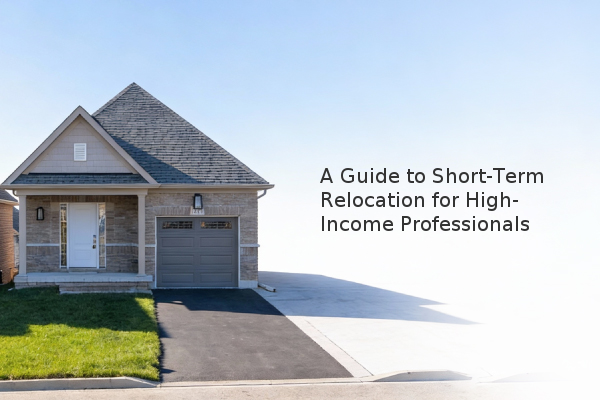
For high-income professionals facing a short-term relocation, a strategic approach to housing is critical. The key is to balance cost-efficiency with lifestyle needs, often making a furnished rental or serviced apartment a more practical choice than an immediate home purchase. This guide outlines the core considerations, from budgeting for a dual-residence lifestyle to selecting the right temporary neighborhood.
When a relocation is temporary—such as for a multi-year contract—the most common housing solutions are furnished rentals, corporate housing, or high-end extended-stay hotels. A furnished rental is a property leased with all essential furniture and appliances included, offering a turnkey solution. Corporate housing is a specific type of furnished rental designed for business transferees, often including utilities and services. The primary advantage is flexibility; these arrangements avoid the long-term commitment and significant upfront costs of buying a home, such as a down payment (the initial, substantial payment made when purchasing a property) and closing costs (fees associated with finalizing a real estate transaction). Based on our experience assessment, professionals should weigh the total cost of a short-term purchase, including property taxes and selling expenses, against the premium of a high-quality rental.
| Housing Option | Typical Lease Term | Best For | Key Consideration |
|---|---|---|---|
| Furnished Rental | 3-12 months | Flexibility, minimal commitment | Often higher monthly cost than an unfurnished lease |
| Corporate Housing | 1-12 months | Hassle-free setup, utilities included | Can be the most expensive monthly option |
| Home Purchase | 2+ years | Building equity, stability | High transaction costs make short-term ownership costly |
Maintaining two households, like a primary home and a temporary residence, requires meticulous financial planning. The budget must account for the new monthly rent, plus all utilities. Crucially, you must also continue covering the costs of your primary home, including the mortgage (a loan specifically used to purchase real estate, where the property serves as collateral), insurance, and potential property management fees if the home will be vacant. Additional expenses often include travel between the two locations and storage costs for belongings not moved. Creating a detailed pro-forma budget for the entire contract period is essential to avoid financial strain.
Selecting the right neighborhood for a short-term stay is different from choosing a forever home. Priority should be given to areas that minimize commute times to the new workplace and offer convenient access to amenities like grocery stores, fitness centers, and leisure activities. Proximity to major highways or public transportation can significantly reduce daily stress. While a prestigious zip code might be appealing, a slightly less expensive adjacent neighborhood could offer similar conveniences at a lower cost, freeing up budget for other priorities. It's advisable to spend a few days exploring different areas before signing a lease.
The decision to rent or buy during a multi-year assignment is a complex financial calculation. While a common rule of thumb suggests buying may be favorable if you plan to stay for five or more years, this is highly market-dependent. For a two-year period, renting is generally more financially prudent. The costs associated with buying and selling a home—including real estate agent commissions, which typically range from 5% to 6% of the home's sale price, and title insurance (a policy that protects the homeowner and lender from financial loss due to defects in the property's title)—can easily exceed $50,000 on a $750,000 home. These costs, combined with property taxes and maintenance, mean you would need significant appreciation in a short time to break even, which is not predictable.
In conclusion, a successful short-term relocation hinges on a disciplined, financial-first approach. Professionals should primarily consider high-quality furnished rentals to maintain flexibility, create a comprehensive budget that accounts for dual-residence expenses, and select a neighborhood based on logistics rather than long-term investment potential. By focusing on these strategic areas, you can ensure the relocation supports your career goals without creating unnecessary financial or personal stress.