Browse

Log in / Register
 Share

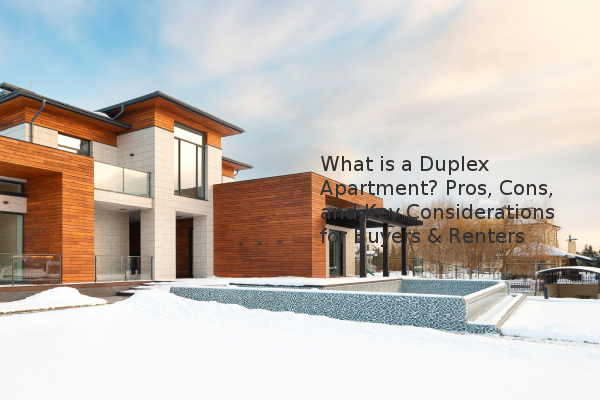
A duplex apartment is a single residential building divided into two separate living units, typically with separate entrances. The primary appeal of this property type lies in its potential for dual occupancy, offering owners a source of rental income or tenants a more affordable housing option compared to a single-family home. This guide provides an objective analysis of the advantages, disadvantages, and essential factors to evaluate before engaging in a transaction involving a duplex.
A duplex is characterized by its two distinct units under one roof. These units can be arranged side-by-side or stacked on top of each other. Each unit functions as a self-contained home with its own kitchen, bathrooms, living areas, and entrance. This differs from a single-family home, which is designed for one household, and a townhouse, which is a multi-floor home that shares walls with adjacent properties but is not divided into separate units within the same structure. Understanding this distinction is crucial for zoning laws and financing, as duplexes are often classified as multi-family properties.
Key features include:
The benefits vary significantly depending on whether you are a potential buyer-investor or a renter.
For Buyers/Investors:
For Renters:
Despite the advantages, there are important considerations.
For Buyers/Investors:
For Renters:
Before proceeding, a thorough financial assessment is critical. The table below outlines average financial metrics for duplexes in different U.S. regions, based on aggregated market data from the past year.
| U.S. Region | Avg. Purchase Price | Avg. Monthly Rental Income (Per Unit) | Avg. Gross Rental Yield |
|---|---|---|---|
| Northeast | $650,000 | $2,400 | 4.4% |
| Midwest | $420,000 | $1,700 | 4.9% |
| South | $475,000 | $1,900 | 4.8% |
| West | $850,000 | $3,100 | 4.4% |
Note: Gross Rental Yield is calculated as (Annual Rental Income / Purchase Price) x 100. These figures are estimates and can vary widely by specific city and property condition.
Beyond the purchase price, factor in ongoing costs like property tax, insurance, maintenance (typically 1% of the property's value annually), and potential homeowners association (HOA) fees if the duplex is part of a condominium regime.
For Buyers:
For Renters:
In summary, a duplex apartment presents a unique real estate opportunity that blends residential living with investment potential. Key takeaways include: evaluating the financials thoroughly, understanding the responsibilities of being a landlord if buying, and assessing privacy and noise factors if renting. Based on our experience assessment, this property type can be a strategic choice for those seeking to build equity while generating income, or for renters desiring a more house-like environment. Always conduct independent due diligence, including a market analysis and a professional inspection, before committing to a transaction.