Browse

Log in / Register
 Share
Share
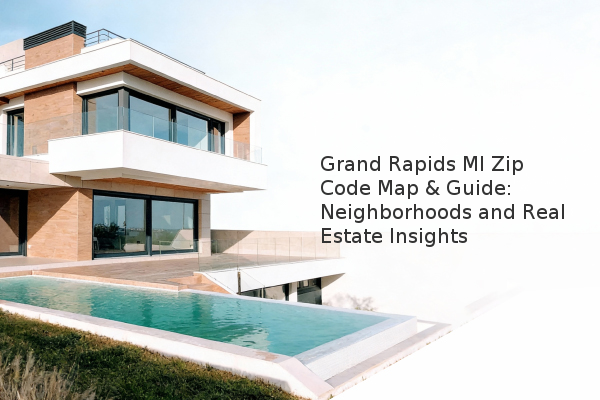
Understanding the zip codes in Grand Rapids, Michigan, is a fundamental step for anyone looking to buy a home, rent a property, or invest in the area. Each zip code corresponds to distinct neighborhoods with unique character, housing stock, and market dynamics. This guide provides a detailed overview of the primary Grand Rapids MI zip code areas, linking them to neighborhood profiles and current real estate trends to help you make an informed decision.
Grand Rapids, Michigan's second-largest city, is divided into several key postal zones. The most central and widely recognized zip code is 49503, covering downtown and the surrounding urban core. Other significant codes include 49504 (southeast side), 49505 (northeast side), 49506 (east side), 49507 (southwest side), and 49508 (northwest side). The following table provides a quick reference for these primary zones.
| Zip Code | Primary Neighborhoods | General Vibe & Housing |
|---|---|---|
| 49503 | Downtown, Heartside, Heritage Hill | Urban core, historic homes, modern lofts, high walkability. |
| 49504 | Baxter, Madison Square | Diverse, mixed-use, affordable single-family homes. |
| 49505 | Creston, North End | Up-and-coming, historic bungalows, strong community feel. |
| 49506 | East Hills, Eastown, Midtown | Trendy, vibrant, Craftsman homes, popular retail corridors. |
| 49507 | John Ball Park, Roosevelt Park | Established residential areas, good value, family-friendly. |
| 49508 | Walker, Standale | Suburban feel, larger lots, newer construction, top-rated schools. |
The 49503 zip code is the heart of Grand Rapids. This area is characterized by a high concentration of condominiums (a type of housing where individuals own their unit within a larger building and share ownership of common areas) and apartments, catering to a professional demographic seeking a walkable lifestyle. Property Tax rates here can be higher due to the urban setting and proximity to amenities like the Van Andel Arena and DeVos Place Convention Center. Real estate in 49503 often commands a premium per square foot compared to outlying areas, reflecting the demand for downtown living.
For families, the 49506 and 49508 zip codes are frequently top contenders. The 49506 area, encompassing Eastown and East Hills, offers a blend of historic charm and modern amenities. The housing market here is competitive, featuring well-maintained Craftsman and Tudor-style homes. Just to the northwest, 49508 provides a more suburban environment within the city limits. This zone is known for its highly-rated schools, spacious yards, and a prevalence of single-family homes built from the mid-20th century to today, making it a steady market for long-term growth.
Zip codes serve as a high-level proxy for location, which is a primary driver of real estate value. Factors like school district ratings, crime statistics, and access to amenities are often aggregated by zip code, influencing buyer demand. For instance, a home in 49508 might have a higher baseline value than a similar-sized home in 49504 due to perceptions of school quality and neighborhood safety. However, it's crucial to conduct hyper-local research, as conditions can vary block by block. Based on our experience assessment, property value appreciation can differ significantly even between adjacent zip codes.
When searching for a property, using a zip code filter on real estate portals is an effective way to narrow down options. However, potential buyers and investors should also look at neighborhood boundaries that don't always align perfectly with zip codes. It's advisable to drive through the areas you're interested in and speak with local residents to get a true feel for the community. Understanding the nuances of each Grand Rapids MI zip code will equip you with the knowledge to find a location that best matches your lifestyle and investment goals.
In summary, the Grand Rapids MI zip code map is your first tool for targeted property search. Key takeaways include: 49503 for urban living, 49506 for historic charm, and 49508 for family-centric suburbs. Always verify hyper-local data and consider a zip code as a starting point, not the final word, on a neighborhood's character.