Browse

Log in / Register
 Share
Share
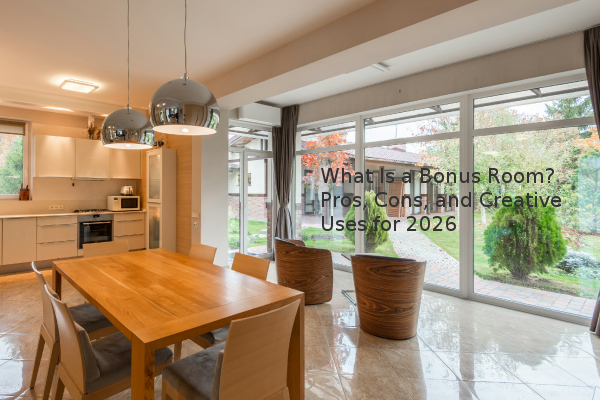
A bonus room is an adaptable, non-conforming space in a home that offers extra square footage without increasing property taxes, as it typically lacks the features—like a closet or standard ceiling height—to be classified as a formal bedroom. This guide explains how to maximize a bonus room's potential for an office, gym, or playroom while navigating the crucial balance between adding comfort and avoiding a higher tax assessment.
What is a Bonus Room? A bonus room is best defined by what it is not: a standard room. It is an extra space that does not meet the local building code requirements to be counted as a legal bedroom or often even as gross living area. Key characteristics include the frequent absence of a closet, and it might not have a full door, windows, or consistent ceiling height. These rooms are commonly found in converted attics, above garages, or in other underutilized areas of a house. The primary advantage is the added functional space without a corresponding increase in your property tax bill, as it is not included in the official square footage calculation.
What Can You Use a Bonus Room For? The versatility of a bonus room, sometimes called a flex room, is its greatest asset. Its potential use is dictated by its size, shape, and location. Based on our experience assessment, common and effective uses include:
Key Considerations and Potential Drawbacks While a bonus room offers flexibility, its unconventional nature requires careful planning. Prospective buyers might view a space without a door or proper insulation as less valuable than a standard room. For example, a room above an unheated garage will likely be colder. Considerations for comfort and safety include an effective HVAC system, added insulation, and proper ventilation. Furthermore, egress windows are critical for light and fire safety. The more "room-like" features you add, the more likely it is that the space could be reclassified by local assessors.
How Does a Bonus Room Affect Property Taxes? This is the most significant financial aspect of a bonus room. Because it is not a legal room, it does not increase your home's assessed square footage for property tax purposes. However, this status is not permanent. If you renovate the space by adding a closet, a permanent wall, or a door, you may trigger a reassessment. Before undertaking any renovations, it is essential to check with your local tax assessor's office to understand how changes will affect your property's classification and tax bill.
Conclusion: Maximizing Your Bonus Room's Value To make the most of your bonus room, focus on enhancements that increase its utility without officially changing its classification. Weigh the pros and cons of adding features like a closet against a potential tax increase. For comfort, prioritize climate control solutions and adequate lighting. Ultimately, a well-thought-out bonus room can significantly enhance your living experience and your home's market appeal, provided you navigate the rules wisely.