Browse

Log in / Register
 Share

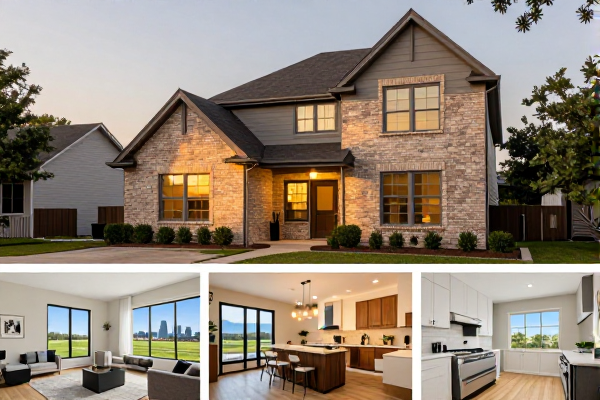
Navigating the Dallas real estate market requires a clear understanding of its diverse zip codes. In 2026, the median home price in Dallas is approximately $425,000, but this figure can vary dramatically by over $1,000,000 depending on your chosen zip code. This guide provides an objective analysis of key Dallas zip codes, correlating them with current market prices, neighborhood characteristics, and property tax implications to inform your buying or selling decision.
The premium housing market in Dallas is concentrated in a few exclusive areas. Zip code 75225, encompassing the neighborhoods of Highland Park and University Park, consistently ranks as the most expensive. The median home value here often exceeds $2 million, driven by large estates, top-rated schools, and meticulously maintained public spaces. Another high-cost area is zip code 75205, which includes parts of University Park and Bluffview, known for its custom-built homes and proximity to the Dallas North Tollway, with median prices hovering around $1.8 million. Properties in these areas are typically Freehold, meaning the owner has absolute ownership of the property and the land it stands on, in perpetuity.
| Dallas Zip Code | Representative Neighborhoods | Median Home Price (2026) | Key Characteristic |
|---|---|---|---|
| 75225 | Highland Park, University Park | $2,200,000+ | Established prestige, top-tier schools |
| 75205 | Bluffview, Greenway Parks | $1,800,000+ | Custom homes, central location |
| 75209 | Park Cities, Devonshire | $1,400,000+ | Mature landscaping, family-friendly |
| 75204 | Oak Lawn, Uptown | $650,000 | Urban lifestyle, high-density condos |
| 75206 | East Dallas, Old East Dallas | $550,000 | Historic homes, significant appreciation |
For buyers seeking strong potential for appreciation (the increase in a property's value over time) without the premium price tag, several zip codes stand out. 75206, covering parts of East Dallas and Munger Place, is renowned for its historic homes and active community associations. With a median price around $550,000, it offers a blend of character and growth potential. Further north, zip code 75243, which includes Lake Highlands, provides a more suburban feel with highly-regarded public schools and median prices near $475,000. These areas often feature a mix of Property Tax rates, which is a levy assessed on real estate by local governments, so verifying the exact rate with the Dallas Central Appraisal District is a critical step.
Property tax is a significant ongoing cost of homeownership. In Texas, there are no state income taxes, so local governments rely heavily on property taxes for funding. Rates can differ even within the city of Dallas. While the average rate in Dallas County is approximately 2.1%, specific municipalities within their own zip codes (like Highland Park in 75225) have their own rates. It's not uncommon for the annual property tax bill on a $500,000 home to range from $10,000 to $12,000 annually. This variability makes it essential to factor in long-term carrying costs, not just the purchase price, when evaluating a zip code.

From an investment perspective, zip codes showing rapid development and demographic shifts are key areas to watch. 75215, south of downtown, is experiencing significant investment and revitalization, potentially offering lower entry points for investment properties. Similarly, areas in 75217 are seeing new commercial development that can drive rental demand. Investors should analyze rental yield data, which is the annual rental income as a percentage of the property's value, for each zip code to identify markets where demand from renters is strong relative to home prices.
When choosing a Dallas zip code in 2026, prioritize a comprehensive analysis beyond just the listing price. Verify specific property tax rates with the Dallas Central Appraisal District, as they significantly impact your total cost of ownership. Research school ratings and community amenities through independent sources to ensure they align with your lifestyle needs. Finally, consider the long-term trends for appreciation and development in emerging neighborhoods to make a well-informed real estate decision based on current market dynamics.