Browse

Log in / Register
 Share
Share
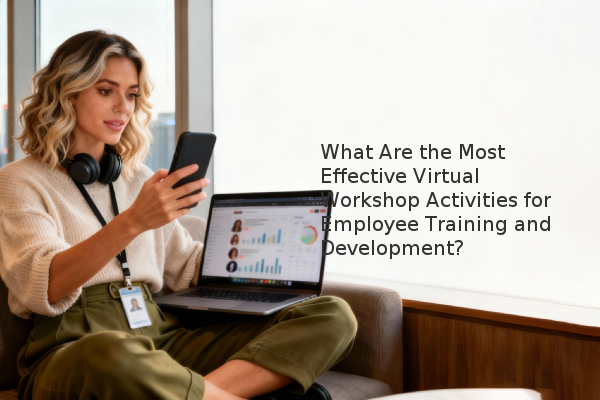
Virtual workshops significantly enhance learning outcomes and engagement when they incorporate specific, interactive activities designed for remote participation. Based on our assessment experience, workshops that move beyond traditional lecture formats achieve higher knowledge retention and participant satisfaction. The key is to strategically blend education with collaboration using proven digital tools.
Virtual icebreakers are essential for building rapport in a remote setting. An activity like a quick room tour or sharing a unique professional achievement helps humanize the experience and breaks down initial awkwardness. Following the icebreaker, a team-based mind mapping session can effectively transition into the core content. For example, using a digital whiteboard, participants can brainstorm around a central topic like "Effective Onboarding." This collaborative candidate screening process for ideas encourages immediate participation and visually maps out collective knowledge. Setting a short time limit introduces a sense of urgency that energizes the group.
Virtual breakout rooms are a powerful feature of most video conferencing platforms, allowing you to divide a large group into smaller, focused teams. This is particularly effective for practicing skills like structured interviews or developing employer branding statements. Within these rooms, you can introduce a design thinking session. This problem-solving approach, which emphasizes user-centricity (e.g., the candidate's or new hire's experience), involves using virtual sticky notes to group ideas and identify solutions. This method transforms abstract concepts into actionable strategies, making the learning tangible and directly applicable to real-world HR challenges.
Table: Comparing Two Collaborative Workshop Activities
| Activity | Primary Goal | Best Used For |
|---|---|---|
| Virtual Breakout Rooms | Deep, small-group discussion and skill practice. | Role-playing interviews, analyzing case studies, peer review. |
| Design Thinking Session | Innovative problem-solving and process ideation. | Improving the candidate experience, redesigning onboarding programs. |
To ensure learning objectives are met, integrating virtual quizzes and live feedback mechanisms is crucial. Quick, fun quizzes administered through polling tools can gamify learning, reinforce key points, and provide immediate data on comprehension. Furthermore, conducting regular temperature checks—such as asking participants to hold up a number (1-5) to indicate their understanding or using a quick poll—allows the facilitator to gauge engagement and adjust the pace accordingly. These tools provide verifiable data on the workshop's effectiveness, moving beyond assumption to measured outcomes. This approach mirrors talent assessment techniques, focusing on measurable results.
To maximize the impact of your next virtual training, prioritize activities that mandate active participation. Use icebreakers to build connection, breakout rooms for deep collaboration, and real-time quizzes to confirm understanding. The most successful workshops are those that transform passive attendees into active contributors.