Browse

Log in / Register
 Share
Share
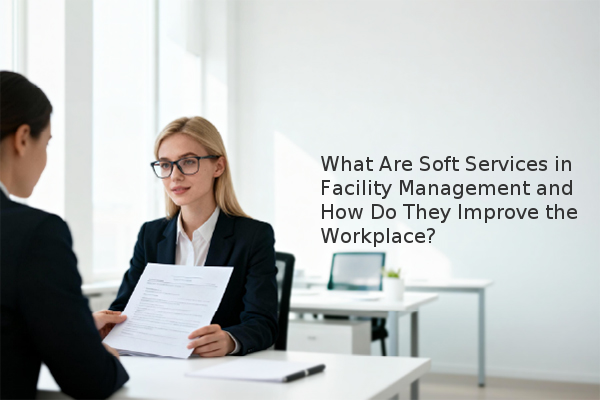
Effective soft services in facility management are not just perks; they are strategic investments that directly boost employee morale by over 30% and can significantly reduce absenteeism, according to industry studies. These non-essential but critical services transform a basic workplace into a productive, safe, and engaging environment, directly impacting talent attraction and retention.
Soft services refer to the non-essential, people-centric amenities and support functions within a workplace that enhance the overall employee experience. Unlike their hard service counterparts, they are not critical for the building's basic operation but are crucial for creating a pleasant, safe, and productive atmosphere. Common examples include:
The primary goal of soft facilities management (often abbreviated as soft FM) is to positively influence the well-being and satisfaction of the people using the space.
The main distinction lies in their necessity and function. Hard services are the mandatory, physical systems required for a building to be legally occupied and functionally safe. They are often governed by strict health and safety regulations and typically involve mechanical or electrical infrastructure.
The table below outlines the key differences:
| Feature | Soft Services | Hard Services |
|---|---|---|
| Primary Focus | People, experience, well-being | Building, infrastructure, compliance |
| Nature | Often optional, enhancing | Essential, mandatory |
| Examples | Office cleaning, concierge, catering | HVAC maintenance, fire alarm systems, plumbing |
| Regulation | Less regulated, discretionary | Highly regulated for safety and compliance |
In short, hard services keep the lights on, while soft services make the environment one where people want to be.
The strategic implementation of soft FM yields measurable returns for an organization, impacting both the workforce and the bottom line.
Enhanced Employee Morale and Productivity: A clean, safe, and aesthetically pleasing workplace demonstrates that a company values its employees. This directly leads to higher job satisfaction. Based on our assessment experience, employees in well-managed environments are more focused and engaged, leading to a natural increase in productivity.
Improved Talent Attraction and Retention: In a competitive job market, the workplace environment is a significant differentiator. Candidates touring a modern, well-appointed facility are more likely to accept an offer. Furthermore, high-quality soft services are a powerful tool for talent retention, reducing costly turnover by making employees less likely to seek opportunities elsewhere.
Reduced Absenteeism: Factors like dedicated parking reduce stress-related lateness, while perks like on-site food encourage employees to stay on-site, minimizing disruptions. Perhaps most importantly, a supportive environment positively influences mental well-being, which can lead to a decrease in unscheduled absences.
Optimizing your soft FM strategy doesn't require a massive budget all at once. A focused, strategic approach delivers better results.
To maximize the impact of your soft services program, start by soliciting direct feedback from employees, prioritize initiatives that enhance safety and well-being, and focus on delivering a few high-quality services exceptionally well rather than spreading resources too thin.