Browse

Log in / Register
 Share
Share
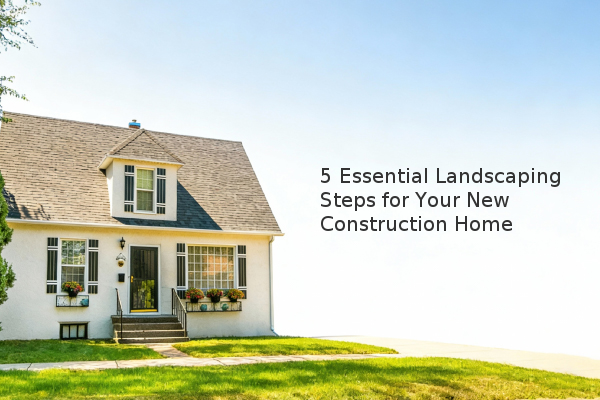
Starting with a blank slate on a new construction property presents a unique opportunity to build a landscape you'll love for decades. The key to long-term success lies in five critical steps: amending poor builder-grade soil, creating a landscape plan, evaluating and replacing default plantings, planning for future needs, and implementing strategic mulch and groundcover. By following this methodical approach, you can avoid common pitfalls and create a sustainable, valuable outdoor space.
Why is the soil quality in a new construction yard typically poor?
The lush sod on a new home often hides problematic soil. This dirt is frequently just fill dirt or shallow topsoil, compacted during construction and lacking the organic matter needed for healthy plant growth. To create fertile, loamy soil, you must amend it immediately. While creating your own compost is ideal, it takes time. A practical immediate solution is bagged composted cow manure, which is widely available. Be cautious with mushroom compost, as it can be harmful to salt-sensitive plants like azaleas and rhododendrons. Based on our experience assessment, amending soil before planting is the single most important factor for garden health.
| Soil Amendment Type | Pros | Cons | Best For |
|---|---|---|---|
| Bagged Cow Manure | Readily available, nutrient-rich | Can contain weed seeds | General bed preparation |
| Mushroom Compost | Good source of organic matter | High salt content can harm some plants | Established gardens, alkaline soils |
| Home-made Compost | Free, excellent nutrient profile | Takes 6-12 months to produce | Long-term soil building |
How can a simple diagram improve your landscaping plan?
Before planting, understand your land's conditions. A vegetable garden, for instance, requires at least six hours of direct sunlight and well-drained, puddle-free soil. Ignore the urge to start digging immediately. Instead, sketch a basic diagram of your yard. Note areas of full sun, partial shade, and full shade. Mark where water pools after rain. This visual exercise, even with simple scribbles, helps you place plants purposefully, ensuring the right plant is in the right place for optimal growth and reduced maintenance.
Should you keep the plants installed by the builder?
Builder plantings are often chosen for speed and cost, not long-term suitability. It is crucial to properly identify existing plants and assess their future size and impact. A tree with weak wood may later damage your home, while a species with messy fruit can stain driveways and clog gutters. Invasive plants can spread rapidly. If a plant is too large for its space, planted too close to the foundation, or simply not to your taste, it is better to remove it early. The minimal cost of removal now is far less than dealing with structural damage or a massive removal project later.
What should you consider for your landscape in 10 or 20 years?
Your lifestyle will evolve, and your landscape should be able to adapt. Write down your current priority, such as entertaining friends. Now, project 10 or 20 years into the future—will you have children, or prefer a low-maintenance retreat? This foresight is critical. Avoid dedicating your entire yard to a single, permanent feature like a large pool or intricate koi pond without considering its future utility. Plant the garden of your dreams, but ensure it can evolve into a space that serves your family's future needs, potentially increasing your property's resale value.
What is the most effective strategy for long-term weed control?
Weeds thrive in struggling lawns and bare garden beds. Your first defense is a two-inch layer of mulch, which suppresses weeds and conserves soil moisture. However, repeated mulching can deplete soil nitrogen over time. A more sustainable, cost-effective long-term strategy is planting weed-suppressing groundcovers like mondo grass, creeping phlox, or Japanese forest grass. Plant these generously now; in a few years, you can divide them to fill other beds, saving significant money.
To build a valuable and enjoyable landscape, start with a soil test and amendment plan, create a simple sun and drainage map, remove problematic builder plants, design with future life stages in mind, and invest in perennial groundcovers. These foundational steps will save you time, money, and effort for years to come.