Browse

Log in / Register
 Share

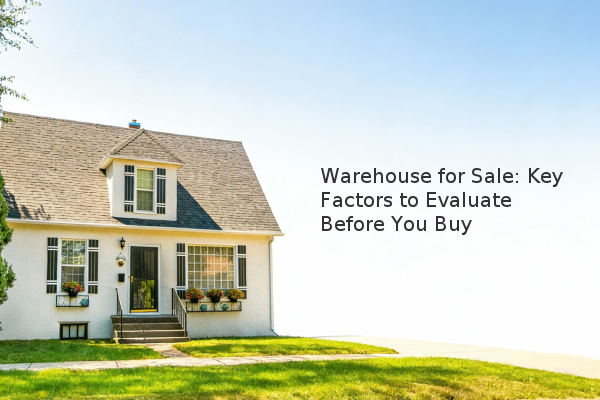
Purchasing a warehouse for sale is a significant industrial real estate investment that requires a meticulous evaluation of location, zoning, building specifications, and financial viability. The core factors to consider include the property's logistical advantages, zoning classification, and physical condition, all of which directly impact its potential for appreciation and return on investment. A thorough due diligence process is non-negotiable for a sound acquisition.
The old adage of "location, location, location" is paramount in industrial real estate. Before committing, you must verify the property's zoning designation with the local municipal planning department. Zoning regulations dictate the permissible uses for a property; a warehouse zoned for light industrial use may not allow for heavy manufacturing or certain types of storage. Proximity to major transportation arteries, such as highways, rail lines, and ports, is crucial for operational efficiency. Additionally, assess the local labor market and the availability of a skilled workforce, as this affects your ability to staff the facility.
Beyond zoning, consider the overall infrastructure. Are utilities like three-phase electricity, high-capacity water, and sewer lines available and adequate for your needs? The cost of bringing these utilities up to standard can be prohibitive. Also, investigate any future development plans for the area that could affect traffic patterns, property values, or even create conflicts with neighboring land uses.
A warehouse is more than just its square footage. A professional inspection is essential to uncover potential issues that could lead to substantial capital expenditures. Focus on the building envelope, including the roof, walls, and foundation, for signs of water intrusion or structural damage. The functionality of loading docks, including the number of doors, their sizes, and the condition of dock levelers, directly impacts logistics.
Evaluate the interior clear height, as modern logistics often require high ceilings for racking systems. The condition of the concrete floor slab is another critical element; cracks or unevenness can disrupt operations and damage equipment. Don't forget to assess essential systems like plumbing, electrical, HVAC, and, importantly, fire suppression systems. The presence of a sprinkler system can significantly affect insurance premiums.
| Inspection Area | Key Questions to Answer |
|---|---|
| Roof | What is its remaining lifespan? Are there leaks or ponding water? |
| Loading Docks | How many doors are there? Are they functional and well-maintained? |
| Floor Slab | Is it level and free of major cracks? What is its load-bearing capacity? |
| Electrical | Is the capacity sufficient for machinery and lighting? Is it up to code? |
The financial assessment extends beyond the purchase price. You must analyze the property's operating expenses, including property taxes, insurance, and maintenance costs. If the property is part of a larger complex, there may be common area maintenance (CAM) fees. Review historical utility bills to project future costs accurately. It is also prudent to commission a Phase I Environmental Site Assessment to identify any potential soil or groundwater contamination, which could leave you liable for enormous cleanup costs.
From a legal standpoint, a title search is mandatory to ensure there are no liens, easements, or other encumbrances on the property. An easement, for instance, might grant a utility company the right to access part of your land, limiting your development options. Engage a real estate attorney experienced in commercial transactions to review all contracts, leases (if the property is tenanted), and zoning documents.
To navigate the purchase successfully, prioritize a meticulous inspection, secure financing pre-approval, and engage experienced professionals, including a commercial real estate broker, attorney, and certified inspector. This comprehensive approach mitigates risk and positions your warehouse acquisition for long-term success.