Browse

Log in / Register
 Share


Understanding the relationship between Los Angeles zip codes and local real estate markets is crucial for making informed decisions in 2026. Each zip code defines a unique micro-market with distinct property values, neighborhood characteristics, and investment potential. This guide provides an objective analysis of key LA zip codes to help you navigate the complex landscape, whether you are buying, selling, or renting.
Key Takeaway: The median home price in Los Angeles can vary by over $2,000,000 depending on the zip code. Coastal and centrally planned areas typically command the highest premiums, while neighborhoods farther from the city center offer more accessible entry points. The data below illustrates the dramatic price disparities.
| Zip Code | Example Neighborhoods | Median Home Price (2026 Est.) | Primary Market Vibe |
|---|---|---|---|
| 90210 | Beverly Hills | $5,200,000+ | Luxury Estates |
| 90402 | Santa Monica (North of Montana) | $4,100,000+ | Coastal Luxury |
| 90049 | Brentwood | $2,800,000+ | Established & Upscale |
| 90026 | Echo Park | $980,000 | Trendy & Revitalizing |
| 90011 | Central LA | $650,000 | High-Density & Affordable |
A zip code is more than just a mailing address; it directly impacts property value through factors like school district quality, property tax rates, and proximity to amenities. Property tax is an annual levy based on a home's assessed value, which funds local services. In Los Angeles, highly-ranked school districts within specific zip codes, such as those serving Beverly Hills (90210) or parts of the Westside, can significantly inflate home prices due to high demand from families. Furthermore, zip codes with strict zoning laws and limited land for new development often see higher appreciation potential—the increase in a property's value over time.
The rental landscape across Los Angeles zip codes is equally diverse. For 2026, areas like Downtown LA (90013) and Koreatown (90006) are expected to have a high concentration of rental units, primarily in apartment complexes, with median rents for a one-bedroom apartment ranging from $2,800 to $3,400 per month. In contrast, zip codes covering suburban-style neighborhoods like Sherman Oaks (91423) offer more single-family home rentals, with median rents for similar properties between $4,500 and $5,500. Renters should carefully consider the total cost of living, including utilities and parking, which can vary drastically by area.
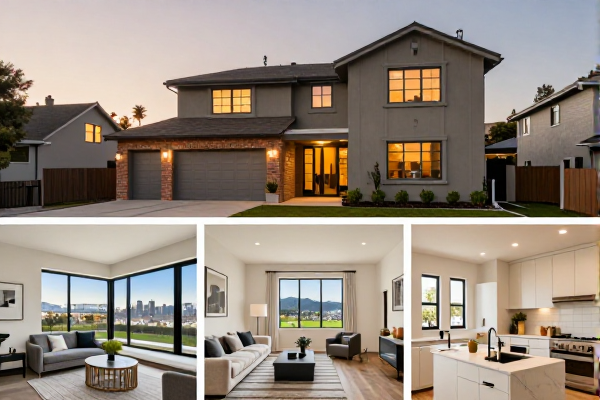
Los Angeles can be broadly divided into several regions, each with a cluster of distinct zip codes:
When evaluating a zip code, it is essential to look beyond price and assess the lifestyle, commute times, and future development plans for the area.
To effectively navigate the Los Angeles real estate market in 2026, prioritize your budget and lifestyle needs first, then research the specific zip codes that align with them. Always verify school districts and tax rates directly with official county sources, as these can change and are not always perfectly aligned with zip code boundaries.