Browse

Log in / Register
 Share

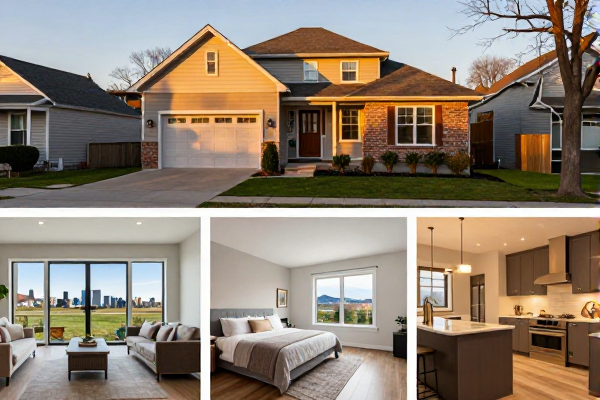
A USDA home loan is a powerful, zero-down-payment mortgage program backed by the U.S. Department of Agriculture, specifically designed to promote homeownership in eligible rural and suburban areas. For qualified buyers in 2026, this represents one of the most accessible paths to owning a home, offering significant financial advantages over conventional loans. This guide provides a clear, step-by-step overview of the USDA loan process, its key benefits, and the critical eligibility requirements you must meet.
What Exactly is a USDA Home Loan? Often referred to as a USDA Rural Development Loan, this government-backed program requires no down payment, making it unique among major mortgage options. The fundamental goal is to stimulate economic growth in less densely populated areas. Unlike a conventional loan, which is not insured by the government, a USDA loan is guaranteed by the USDA, which reduces risk for lenders and allows for more flexible borrower qualifications. It's crucial to understand that both the property location and the borrower's income are subject to specific limits.
Who is Eligible for a USDA Loan in 2026? Eligibility is based on a combination of property location, borrower income, and creditworthiness. First, the home must be located in a USDA-designated rural area. Contrary to popular belief, many suburbs qualify; you can check a specific address using the USDA's online eligibility map. Second, your household income cannot exceed 115% of the area's median income. For example, a family of four in a designated area might need an income below $110,000 to qualify, based on 2026 adjustments. Lastly, lenders typically look for a credit score of at least 640 and a stable employment history.
The Tangible Benefits of Choosing a USDA Loan The most significant advantage is the $0 down payment requirement. This removes the largest financial barrier for many potential homeowners. Additionally, while USDA loans include upfront and annual guarantee fees (a type of mortgage insurance), these fees are often lower than the private mortgage insurance (PMI) required on conventional loans with small down payments. Borrowers can also roll the upfront fee into the total loan amount, further reducing initial cash requirements. Interest rates for USDA loans in 2026 are typically competitive with other government-backed loans like FHA loans.
A Step-by-Step Guide to the 2026 Application Process The process can be broken down into four key stages:
2026 USDA Loan Snapshot
| Feature | Detail |
|---|---|
| Down Payment | 0% |
| Minimum Credit Score | Typically 640 |
| Mortgage Insurance | Upfront Guarantee Fee (1% of loan), Annual Fee (0.35% of loan) |
| Income Limits | Must be at or below 115% of area median income |
| Property Type | Must be primary residence in eligible rural/suburban area |
Common Pitfalls and How to Avoid Them The most common mistake is assuming a property is eligible without verifying its status on the official USDA website. Another pitfall is exceeding the income limits; remember, the USDA calculates income for all adult members of your household, not just those on the loan application. It's also essential to budget for closing costs, which typically range from 2% to 5% of the home's purchase price. Always get pre-approved by a USDA-approved lender before starting your home search to avoid disappointment.
In summary, the USDA home loan is an exceptional program for buyers who meet the location and income criteria. To successfully navigate the process in 2026, start by verifying your eligibility on the USDA's official website and connect with a lender experienced in this specific loan type. By understanding the requirements and benefits, you can make an informed decision about whether this path to homeownership is right for you.