Browse

Log in / Register
 Share
Share
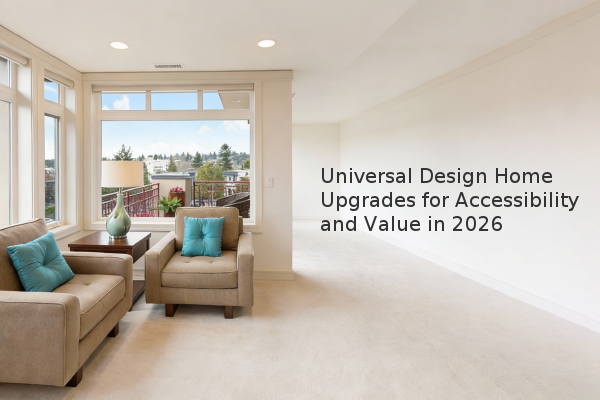
Implementing thoughtful universal design principles can significantly enhance a home's accessibility, safety, and market value. For homeowners considering renovations in 2026, focusing on features that accommodate a wide range of ages, heights, and abilities is a strategic investment. Key upgrades, such as multi-height countertops and specific bathroom features, create a more comfortable and functional living environment for everyone, from young children to aging adults.
What Are the Key Benefits of Universal Design in a Home? Universal design is an approach to creating spaces that are inherently accessible to people with diverse abilities, without the need for specialized or retrofitted solutions. The primary benefit is long-term usability. A home designed with these principles can comfortably accommodate residents as their needs change, whether due to aging, temporary injuries, or having family members of different statures. From a financial perspective, these features can broaden a home's appeal to a larger pool of potential buyers in the future, potentially protecting its resale value. Based on our experience assessment, homes with accessible features are becoming increasingly desirable in the current market.
How Can Kitchen Modifications Improve Accessibility? The kitchen is a central hub of the home, and its design critically impacts daily life. A highly effective strategy is to install countertops at a compromise height that serves both shorter and taller individuals. This involves setting counter heights slightly below the standard 36 inches to eliminate the constant need for step stools for smaller adults, while remaining functional for those of average height. This approach reduces fall hazards and increases comfort. When planning such a renovation, it's crucial to ensure that standard appliances remain usable. This foresight ensures the home remains attractive to the broader market, avoiding overly customized features that might deter future buyers.
Which Bathroom Upgrades Offer the Most Significant Impact? One of the most recommended upgrades for enhanced accessibility is the installation of a bidet attachment or a toilet with an integrated bidet system. This feature is particularly beneficial for individuals with limited mobility, including those recovering from surgery like a C-section, seniors with age-related movement restrictions, or people who use wheelchairs. Beyond the clear hygiene advantages, a bidet adds a touch of luxury and practical functionality that can be a unique selling point. Other valuable bathroom modifications include installing grab bars in the shower and near the toilet, which provide stability and prevent accidents for users of all ages and abilities.
What Should Families Consider When Planning for Multi-Generational Needs? Planning for multi-generational living requires foresight. Designating a specific room as a flexible space for grandchildren or other family members is a practical solution. This room can evolve from a nursery to a playroom and eventually a guest bedroom. Equipping it with age-appropriate furniture, like a toddler bed alongside a standard crib, makes it instantly functional for various stages of childhood. Furthermore, choosing a home location near family support networks can be as important as the physical structure itself. Proximity to relatives provides invaluable assistance, especially for new parents or aging homeowners.
How to Integrate Personal Hobbies into a Home's Design? A well-designed home also accommodates the passions of its residents. Creating dedicated zones for hobbies prevents clutter in the main living areas and enhances daily enjoyment. For a creative professional, this might mean an office space with ample natural light for painting or other projects. For a partner who enjoys activities like hunting or fishing, a detached shed or a designated "he-shed" can provide the perfect space for storing gear and pursuing hobbies like taxidermy. Ensuring these external structures match the home's architectural style maintains aesthetic cohesion and can contribute to property value.
Implementing these universal design features requires careful planning. The most successful renovations strike a balance between immediate personal needs and long-term marketability. Focusing on kitchen and bathroom improvements offers the highest return in terms of daily functionality and broad buyer appeal. Consulting with a contractor experienced in accessible design is a recommended step to ensure that modifications are both safe and structurally sound. By prioritizing inclusivity and flexibility, homeowners can create a living space that is comfortable, safe, and valuable for years to come.