Browse

Log in / Register
 Share

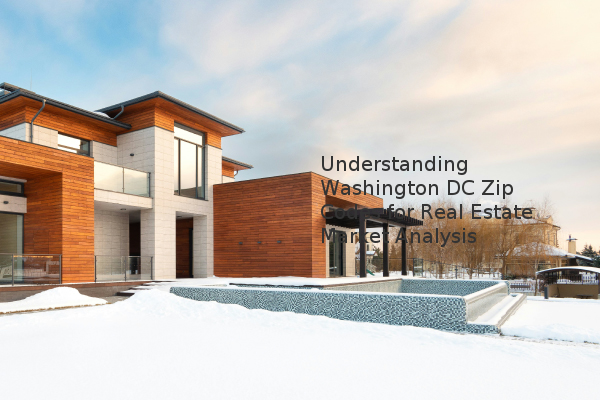
Analyzing Washington DC zip codes is a fundamental step for accurately assessing property values, neighborhood dynamics, and investment potential in the nation's capital. The city's real estate market is highly localized, with significant price variations and distinct community characteristics concentrated within its specific postal codes. By understanding the data behind these zip codes, buyers, sellers, and investors can make more informed decisions based on current market trends.
What is the Importance of a Zip Code in Washington DC Real Estate?
A zip code, short for Zone Improvement Plan code, is more than just a mailing address in Washington DC; it is a key indicator of location desirability. It directly influences property taxes, which are calculated based on assessed value and can vary, school district assignments for families, and proximity to amenities like Metro stations, parks, and commercial corridors. For example, a condominium in 20009 (Dupont Circle/Adams Morgan) will command a different price per square foot and attract a different demographic than a single-family home in 20019 (Congress Heights). This granularity makes zip code analysis essential for setting a competitive listing price or determining a fair offer.
How Do Key Washington DC Zip Codes Compare?
The DC real estate landscape can be broadly understood by examining a few representative zip codes. The following table illustrates the diversity within the market, with data reflecting recent assessments.
| Zip Code | Representative Neighborhoods | Average Home Value* | Primary Housing Types |
|---|---|---|---|
| 20007 | Georgetown, Burleith | ~$1,800,000 | Historic Single-Family Homes, Luxury Condos |
| 20008 | Cleveland Park, Woodley Park | ~$1,100,000 | Single-Family Homes, Classic Apartments |
| 20009 | Dupont Circle, Adams Morgan | ~$650,000 | Condominiums, Rowhouses |
| 20011 | Petworth, Brightwood | ~$700,000 | Rowhouses, Multi-Unit Buildings |
| 20020 | Anacostia, Congress Heights | ~$500,000 | Single-Family Homes, Condos |
Note: Values are approximate and for illustrative purposes based on recent market data. Actual prices fluctuate frequently.
This data highlights the premium associated with zip codes like 20007, known for their historic prestige and high-end properties. In contrast, emerging areas like 20011 offer more accessible entry points into the market, often with greater potential for appreciation, which is the increase in a property's value over time.
What Practical Steps Can You Take to Navigate the Market?
To effectively use zip code information, start by researching current listings and recent sales within your target areas through online portals that filter by postal code. Pay close attention to price per square foot, days on market, and the ratio of final sale price to original listing price. Furthermore, consider the impact of property transfer taxes, which are fees imposed by the DC government when a property changes ownership. These costs are typically split between the buyer and seller and are calculated on the sale price, adding to the total transaction expense. A thorough analysis at the zip code level will reveal micro-trends that city-wide data often obscures.
In summary, a deep dive into Washington DC zip codes provides a critical framework for any real estate transaction. Focusing on specific zip codes allows for precise valuation and market positioning. Understanding local trends, such as development projects or infrastructure improvements, can signal areas with strong growth potential. Always consult with a local real estate professional to interpret this data within the context of your personal goals and the latest market conditions.