Browse

Log in / Register
 Share
Share
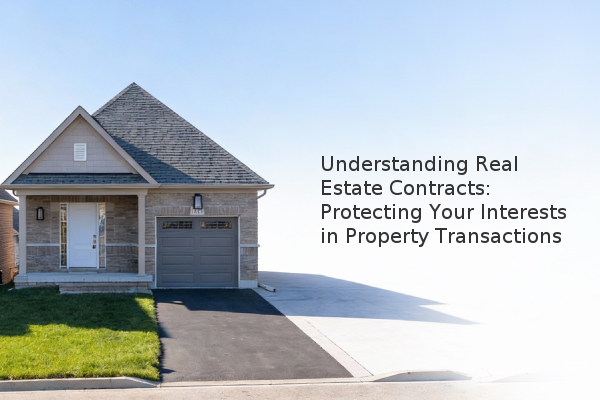
Navigating a real estate transaction requires understanding the legal documents that govern the process. A well-structured purchase agreement, often simply called a real estate contract, is the foundation of a successful sale, protecting both buyers and sellers. Based on our experience assessment, the most critical elements to scrutinize include contingencies, timelines, and financial disclosures to avoid costly disputes. This article outlines the key components of a standard real estate contract and provides practical advice for ensuring your interests are protected.
What Are the Essential Clauses in a Real Estate Contract? A real estate contract is a legally binding agreement between a buyer and seller. Key clauses define the rights and obligations of each party. The purchase price and deposit amount are clearly stated. Contingencies are conditions that must be met for the sale to proceed; common examples include a satisfactory home inspection, secure mortgage financing, and a clear title report. Title insurance protects the buyer and lender from financial loss due to defects in the property's title. Each contingency has a specified timeframe, and failure to meet these deadlines can result in the contract being voided or the loss of the buyer's deposit.
Why Are Financial and Inspection Contingencies Non-Negotiable? Financial and inspection contingencies provide crucial safeguards. The financing contingency allows a buyer to back out without penalty if they cannot secure a mortgage loan. The home inspection contingency permits a buyer to have the property professionally inspected. If significant issues are found, the buyer can typically negotiate for repairs, a price reduction, or withdraw from the contract. Waiving these contingencies, often to make an offer more competitive, carries substantial risk. It can leave a buyer financially responsible for a property with major, undisclosed problems.
How Can You Mitigate Risk During the Transaction Process? Mitigating risk involves diligence and professional guidance. Hire a qualified real estate attorney to review the contract before signing. Their expertise is invaluable in identifying potential pitfalls and ensuring the language aligns with your best interests. Conduct thorough due diligence, which includes reviewing all property disclosures, understanding local property tax rates, and verifying the accuracy of the property's square footage. It is also prudent to "truly understand your finances" and have a clear budget that accounts for closing costs, which typically range from 2% to 5% of the home's purchase price.
What Practical Steps Should You Take Before Closing? The period between contract signing and closing is critical. Stay organized by meeting all deadlines for inspections and loan applications. Maintain open communication with your real estate agent, lender, and attorney. Avoid making large purchases or taking on new debt, as this can affect your mortgage approval. As a final step before closing, conduct a final walk-through of the property to ensure it is in the agreed-upon condition.
To ensure a smooth real estate transaction, focus on these key actions: thoroughly review all contract contingencies, invest in professional legal and inspection services, and maintain clear financial boundaries throughout the process. Protecting your investment starts with a well-negotiated contract and ends with informed, diligent execution of the closing process.