Browse

Log in / Register
 Share

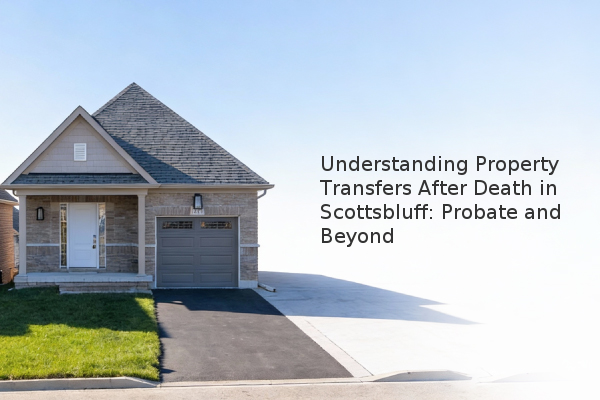
When a property owner in Scottsbluff passes away, the transfer of their real estate is governed by specific legal processes, primarily probate, which is the court-supervised procedure for distributing a deceased person's assets. The method of transfer depends heavily on how the property title was held. For heirs and beneficiaries, understanding whether the home is subject to probate or passes directly to a co-owner or named beneficiary is the first critical step in managing the estate.
How is Real Estate Transferred After an Owner's Death?
The path for transferring property hinges on the title—the legal document establishing ownership. The most common methods include joint tenancy, beneficiary deeds, and transfer through a will or trust. If the deceased owned the property as Joint Tenancy with Right of Survivorship, the title automatically passes to the surviving owner(s) without going through probate. Similarly, a Transfer on Death Deed (TODD), a legal instrument available in Nebraska, allows a property owner to name a beneficiary who directly receives the property upon the owner's death, also bypassing probate.
If the property was held solely in the deceased's name without a TODD, it typically must go through the probate process. During probate, a local Scottsbluff court validates the deceased's will. If no valid will exists, the property is distributed according to Nebraska's intestate succession laws, which prioritize spouses, children, and other close relatives. The court will appoint a personal representative (an executor) to manage this process, which includes paying any outstanding debts or taxes from the estate before distributing the remaining assets to the heirs.
What are the Key Steps in the Probate Process for Scottsbluff Real Estate?
The probate process in Scottsbluff County involves several defined steps. First, the deceased's will (if one exists) must be filed with the county court. The court then officially appoints the personal representative, granting them the legal authority to act on the estate's behalf. This representative is responsible for identifying and inventorying all estate assets, including the Scottsbluff property, and having it professionally appraised to determine its fair market value at the time of death.
A critical notice must be published to inform potential creditors of the death. These creditors have a limited time to file claims against the estate. The personal representative uses estate funds to settle valid debts, which may include a mortgage, property taxes, and other bills. Only after these obligations are met can the representative petition the court for permission to transfer the property's title to the rightful heirs as determined by the will or state law.
What Financial Considerations Should Heirs Be Aware Of?
Heirs inheriting property in Scottsbluff must consider several financial implications. A significant benefit is the step-up in basis. This tax provision adjusts the property's cost basis to its fair market value at the date of death. If an heir sells the property immediately, they likely owe little to no capital gains tax because the taxable gain is calculated from the new, higher basis. However, if the property is sold later for more than the appraised value at death, capital gains tax would apply to the increase.
Heirs are also responsible for ongoing costs, including property tax payments to Scottsbluff County and maintaining adequate homeowners insurance. If the property has an existing mortgage, the heir must continue making payments. While federal law protects inheritors from immediately paying the full loan balance, the lender can enforce the due-on-sale clause if the heir fails to make payments. It is crucial to contact the loan servicer to discuss assumption options.
Practical Steps for Managing an Inherited Scottsbluff Property
Upon inheriting a property, your first action should be to secure it and maintain adequate insurance coverage. Next, based on our experience assessment, you should obtain multiple copies of the death certificate and the court's official documents (like Letters Testamentary) confirming your authority to act. Engage a qualified real estate attorney in Scottsbluff to guide you through the legal intricacies and ensure all filings with the county register of deeds are completed correctly.
You will then need to decide whether to keep, rent, or sell the property. This decision should be based on the property's condition, your financial capacity for upkeep, and the local Scottsbluff real estate market. If selling, you must work with the personal representative to clear the title and execute the sale, with proceeds distributed according to the estate plan.
In summary, navigating property transfer after a death in Scottsbluff requires understanding the legal mechanisms of ownership. Key takeaways include: confirm the title holding method, prepare for potential probate, understand the financial benefits of a step-up in basis, and seek professional legal guidance. Proper management ensures a smooth transition and protects the value of the inherited asset.