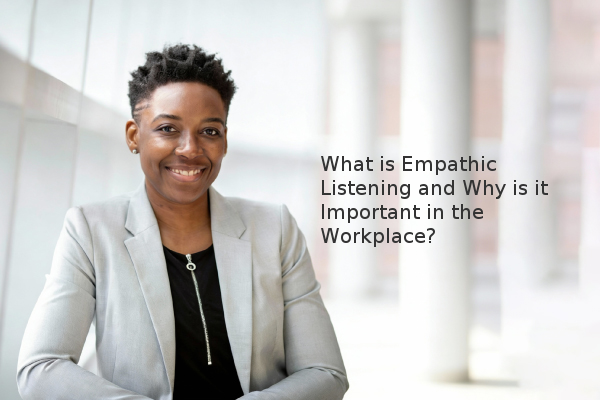
Empathic listening is a critical professional skill that directly enhances workplace relationships, problem-solving, and team productivity. By actively focusing on and validating a speaker's message and emotions, you build trust and foster a more collaborative environment. This article breaks down the key qualities of an empathic listener and provides five actionable steps to develop this skill.
What is Empathic listening?
Empathic listening is a structured communication technique that goes beyond simply hearing words. It involves being fully attentive to the speaker, understanding their emotional perspective, and responding in a way that validates their feelings. This method, often used interchangeably with active listening or reflective listening, allows you to make an emotional connection by finding common ground between their experiences and your own, thereby showing genuine support.
Why is Empathic Listening a Key to Professional Success?
Integrating empathy into your daily interactions offers tangible benefits for career development and workplace harmony. The advantages are backed by human resources research, which consistently links empathetic workplaces to higher talent retention rates.
- Stronger Professional Relationships: Demonstrating that you listen thoughtfully makes you appear more reliable and approachable. This reliability is the foundation for building trust with colleagues, clients, and managers, leading to more positive interactions that can advance your career.
- Improved Problem-Solving: Teams that communicate with empathy feel safer sharing diverse opinions. When team members know they will be heard without judgment, they contribute more ideas, leading to a wider range of solutions and more successful project outcomes.
- Increased Team Productivity: A considerate and trustworthy demeanor contributes to a healthier work environment. Co-workers who trust each other collaborate more effectively because they are more open and communicative, directly boosting productivity.
- Acting with Consideration: This skill is essential for compassionate leadership. You can use it to support colleagues during challenges, such as after a project setback, by encouraging them to persevere and believe in their abilities.
What are the Qualities of an Empathic Listener?
While some individuals are naturally inclined, these qualities can be developed through self-awareness and practice. Key traits include:
- Presence: The ability to focus entirely on the conversation, eliminating environmental distractions. This might mean scheduling a talk for a time when you won't be busy.
- Compassion: Identifying with the speaker's emotional experience, even if you haven't lived through the exact same situation. You can relate by recalling a time you felt a similar emotion.
- Non-Judgement: Withholding criticism and respecting opinions that differ from your own, affirming the value of the speaker's perspective.
- Trustworthiness: Being discreet with shared information. Confidentiality is a cornerstone of building reliability.
- Patience: Allowing the speaker time to express themselves without rushing them, which may involve politely rescheduling if you cannot give them your full attention.
- Responsiveness: Knowing when and how to share your thoughts, often by asking permission: "Would you like to hear what I think about this?"
How Can You Practice Empathic Listening in 5 Steps?
Based on our assessment experience, improving this skill requires consistent practice. Here are five effective steps:
- Create a Comfortable Environment: Offer a safe, private space for discussion. If someone seems hesitant in a group setting, suggest a one-on-one meeting to make them feel more at ease.
- Focus on the Speaker’s Viewpoint: Set aside your own experiences and opinions. Prioritize understanding their perspective by minimizing your input and using verbal cues like "I understand" to show you are engaged.
- Eliminate Distractions: Put away phones, turn off monitor displays, and close doors to prevent interruptions. This action physically demonstrates your respect and commitment to the conversation.
- Refrain from Unsolicited Criticism: Your role is to be supportive, not critical. Avoid giving advice unless it is asked for. Instead, strive to be objective and fair while acknowledging their feelings.
- Use Positive Body Language: Your non-verbal cues are as important as your words. Maintain passive eye contact, avoid crossing your arms, and nod occasionally to show you are processing the information. This open posture encourages the speaker to continue sharing.
In summary, becoming an empathic listener is a powerful strategy for career growth. The key takeaways are to practice active focus, withhold judgment, and respond with compassion. By implementing these steps, you can significantly improve your workplace relationships and contribute to a more positive, productive team environment.


 Share
Share