Browse

Log in / Register
 Share
Share
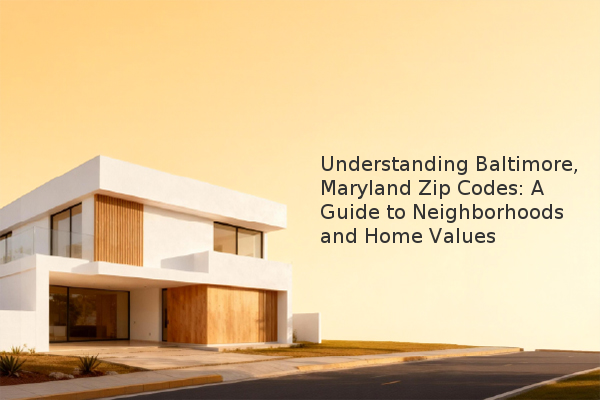
Baltimore's diverse neighborhoods are often defined by their zip codes, which provide a key indicator of local character, amenities, and real estate market dynamics. For homebuyers and investors, understanding the correlation between a ZIP code—a postal code used by the United States Postal Service (USPS) for efficient mail delivery—and property values is crucial for making informed decisions. This guide analyzes several key Baltimore zip codes, offering a data-driven overview of current housing trends to help you navigate the market.
Key Baltimore Zip Code Areas and Market Profiles
The Baltimore real estate market is highly localized. A desirable zip code can significantly influence property value and investment potential. The following table provides a snapshot of median home sale prices in select Baltimore zip codes, based on recent aggregated market data.
| Baltimore Zip Code | Representative Neighborhoods | Median Home Sale Price (Approx.) |
|---|---|---|
| 21209 | Pikesville, Mount Washington | $375,000 |
| 21210 | Roland Park, Homeland | $550,000 |
| 21211 | Hampden, Medfield | $325,000 |
| 21218 | Charles Village, Remington | $250,000 |
| 21230 | Federal Hill, Locust Point | $450,000 |
| 21231 | Fells Point, Canton | $425,000 |
Data is illustrative and subject to change; consult a local real estate professional for the most current figures.
What Your Zip Code Reveals About Property Taxes and Amenities
Beyond home prices, your zip code directly impacts your annual property tax obligation, which is a levy on real estate by the local government to fund public services. Baltimore City has its own tax rate, which is different from surrounding Baltimore County. For example, properties within the 21230 city zip code will have a different tax calculation than those in 21209, which is primarily in the county. Furthermore, zip codes are strong proxies for access to amenities. Zip code 21210, known for its top-rated schools and expansive parks, commands a premium, while 21231 offers a vibrant waterfront lifestyle with distinct value.
Using Zip Code Data in Your Home Search Strategy
When searching for a property, filtering by zip code is an effective way to narrow down options that fit your budget and lifestyle preferences. Each zip code encompasses neighborhoods with unique architectural styles, from the historic row homes of Fells Point (21231) to the larger single-family homes in Roland Park (21210). It is essential to visit these areas personally to gauge the community vibe, commute times, and proximity to essential services like grocery stores and healthcare facilities. Based on our experience assessment, a zip code provides a starting point, but on-the-ground research is irreplaceable.
Key Considerations Beyond the Zip Code
While zip codes are helpful for initial research, they are not absolute boundaries for school districts or municipal services, which can sometimes cross zip code lines. Always verify school assignments and specific city/county services with the official sources. Additionally, within a single zip code, there can be micro-neighborhoods with varying conditions. A thorough review, including a professional home inspection—a detailed examination of a property's physical structure and systems—is critical before purchase.
Ultimately, a Baltimore zip code is a valuable piece of the home-buying puzzle, signaling general market conditions and neighborhood characteristics. By combining zip code data with personal exploration and professional guidance, you can make a well-informed decision that aligns with your financial and personal goals. Focus on the specific neighborhood's character, verify all tax and school information independently, and consider long-term property value trends within the area.