Browse

Log in / Register
 Share

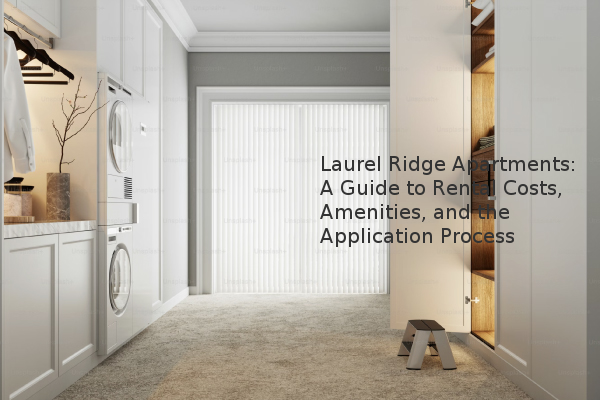
Prospective tenants considering Laurel Ridge Apartments can expect a rental process that involves evaluating monthly costs, community amenities, and specific application requirements. This guide provides an objective overview to help you assess if this residential community meets your needs, focusing on the financial and procedural aspects of securing a lease.
The total monthly cost of renting an apartment extends beyond the base rent. When evaluating Laurel Ridge Apartments, you should budget for additional mandatory and potential fees. The base rent will vary significantly based on the unit's square footage, floor plan (e.g., one-bedroom, two-bedroom), and specific features like a balcony or updated appliances. On top of this, residents are typically responsible for utility costs, which may include electricity, gas, water, sewer, and trash removal. Some communities bundle certain utilities into the rent, so this is a critical question for the leasing office.
Furthermore, you will likely encounter one-time fees. A security deposit, often equal to one month's rent, is a standard requirement to cover potential damages beyond normal wear and tear. Most properties also charge non-refundable application and administrative fees to cover the cost of background and credit checks. You should inquire about recurring monthly charges for reserved parking, renter's insurance requirements, and pet fees if applicable.
| Cost Category | Typical Range | Notes |
|---|---|---|
| Base Rent | Varies by unit | Determined by floor plan and amenities. |
| Security Deposit | Often 1x Monthly Rent | Refundable, subject to lease terms. |
| Application Fee | $50 - $100 | Non-refundable, per applicant. |
| Utility Costs | $100 - $200+ | Varies by usage and included services. |
The value of an apartment community is heavily influenced by its amenities. Laurel Ridge likely offers a combination of community-wide and in-unit features. Common area amenities might include a fitness center, swimming pool, business center, clubhouse, and outdoor spaces like a dog park. These features contribute to your quality of life but may also be reflected in the rental price. It's important to assess how often you would use these amenities to determine their value to you personally.
Inside the apartment, key features to inspect include the age and condition of major appliances, the type of flooring, the availability of in-unit laundry, and the amount of storage space. Modern, energy-efficient appliances can help manage utility costs. When touring, check for adequate water pressure, cell phone reception, and natural light. Based on our experience assessment, a thorough in-person or virtual tour is the most reliable way to evaluate the condition and layout of a specific unit.
The application process for a rental apartment is standardized but requires preparation. You will need to complete an application form and provide supporting documentation. This typically includes government-issued photo identification, proof of income (such as recent pay stubs or an offer letter), and contact information for your previous landlords. The property management company will use this information to conduct a credit and background check.
A key metric landlords use is the income-to-rent ratio. Many require your gross monthly income to be at least three times the monthly rent. For example, if the rent is $1,500, you may need to demonstrate a monthly income of at least $4,500. If you are a student or have a non-traditional income source, you may need a guarantor (or co-signer) who meets these financial criteria and agrees to be responsible for the lease if you default. Be prepared to pay the application fee and potentially a holding deposit at this stage.
Before signing the lease agreement, conduct a detailed move-in inspection. Document any existing damage, no matter how minor, with photos or video and ensure it is noted on a formal checklist provided by the landlord. This protects your security deposit when you move out. Next, read the entire lease carefully. Pay close attention to policies on subletting, early lease termination penalties, pet restrictions, and maintenance request procedures.
Understand the notice period required for moving out, which is often 60 days. Clarify responsibilities for minor repairs. Finally, ensure you have a clear understanding of how rent payments should be made—online portal, check, or money order—and the grace period, if any, before late fees are applied. Taking these steps ensures you enter the rental agreement fully informed and can help prevent disputes later.
To make an informed decision about Laurel Ridge Apartments, focus on the total monthly cost beyond base rent, personally verify the condition of amenities and your specific unit, and thoroughly understand the lease terms before signing.