
Browse

Log in / Register
 Share

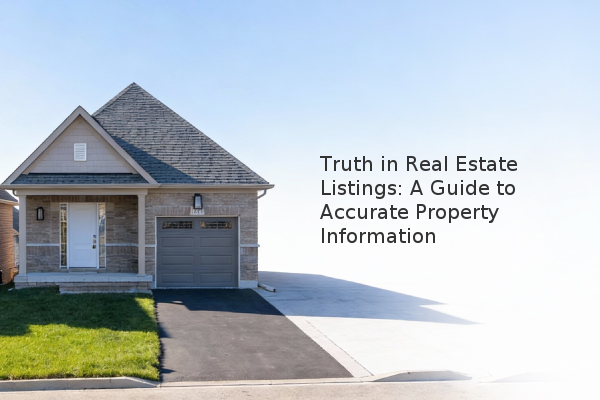
Navigating the real estate market requires a foundation of accurate information. The concept of "truth" in property listings is paramount, as misleading details can lead to significant financial and legal pitfalls for buyers and renters. This guide outlines the critical areas where information must be verified, empowering you to identify red flags and make informed decisions based on objective facts. By understanding where inaccuracies commonly occur, you can approach your property search with greater confidence and reduce the risk of unexpected issues.
Property listings are marketing tools, and while outright fraud is rare, exaggerations and omissions are common. An agent might use a wide-angle lens to make a room appear larger, or a seller might overlook mentioning a persistent minor issue. In some cases, the information available at the time of listing is simply outdated or incorrect. The onus is on the buyer or renter to conduct due diligence. Relying solely on the listing description without independent verification is a high-risk strategy. Understanding this reality is the first step toward protecting your interests.
To ensure you are getting a complete picture, focus your verification efforts on these specific areas:
A property listing is not a substitute for a professional inspection or the seller's legally required disclosures. A licensed home inspector will provide an objective assessment of the property's physical condition, including the foundation, roof, plumbing, electrical systems, and HVAC. This inspection can reveal issues not mentioned in the listing. Similarly, sellers in most states are required to complete a disclosure form outlining known material defects. Review this document carefully, as it represents a legal obligation to inform you of known problems.
Taking proactive steps can significantly reduce your risk. Here is a practical checklist:
Ultimately, securing accurate information is a multi-step process that combines independent verification, professional assessments, and a healthy dose of skepticism. By focusing on verifiable data from official sources and expert reports, you can move forward with a transaction based on reality, not just marketing. Always prioritize documented evidence over verbal assurances.


