Browse

Log in / Register
 Share
Share

For prospective buyers, the phrase "tres belle" signifies a property that transcends basic functionality, representing a high level of aesthetic appeal, quality finishes, and premium amenities. The core value of a "tres belle" home lies in its ability to command a higher market price and attract discerning buyers, though its ultimate worth is determined by a combination of location, architectural integrity, and the quality of its features. Understanding what constitutes a "very beautiful" property in objective terms is essential for making a sound investment.
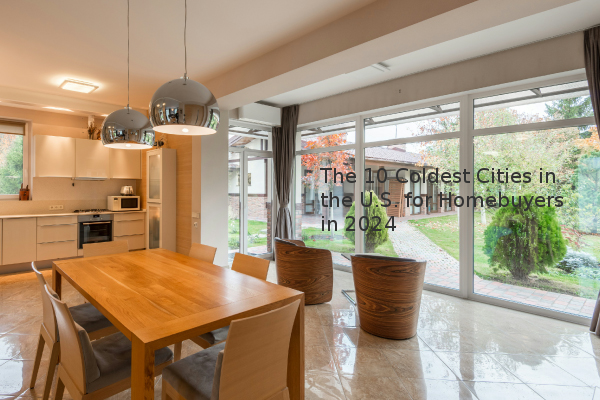
A property described this way typically exhibits a combination of superior attributes. Curb appeal, which is the attractiveness of a property as viewed from the street, is paramount and is achieved through meticulous landscaping, a freshly painted exterior, and a cohesive architectural style. Internally, the quality of materials is a key differentiator. This includes hardwood flooring, custom cabinetry, natural stone countertops (such as granite or quartz), and high-end stainless steel appliances. The layout should be functional and flow naturally, with attention to details like ample storage and abundant natural light. These elements collectively contribute to the property's perceived value and marketability.
Moving beyond subjective impressions, a serious evaluation involves verifying the quality and condition of the home's components. It is crucial to look for signs of craftsmanship. Are the finishes flawless? Is the tile work even? For older "tres belle" homes, architectural integrity—the preservation of original, character-defining elements—adds significant value. A professional home inspection is non-negotiable; it will assess the structural soundness, roofing, plumbing, and electrical systems, ensuring the beauty is more than skin-deep. Premium features should also be evaluated for their operational efficiency, such as the energy ratings of windows and appliances, which contribute to long-term cost savings.
| Feature Category | Standard Quality | "Tres Belle" Quality | Impact on Value |
|---|---|---|---|
| Kitchen Countertops | Laminate | Quartz or Granite | High |
| Flooring | Carpet or Engineered Wood | Solid Hardwood | High |
| Appliances | Standard Models | Thermador, Wolf, Sub-Zero | Moderate to High |
| Windows | Standard Vinyl | Energy-Efficient, e.g., Andersen | Moderate |
| Bathroom Fixtures | Basic Chrome | Designer, e.g., Waterworks | Moderate |
Owning a home with premium features often entails higher costs beyond the purchase price. Property taxes are often calculated as a percentage of the home's assessed value, meaning a more valuable "tres belle" property will result in a higher annual tax bill. Additionally, insurance premiums for luxury homes are typically higher due to the increased cost of replacing high-end materials and custom features. Maintenance costs are also elevated; servicing specialized appliances, refinishing hardwood floors, and maintaining intricate landscaping require a larger budget. Prospective buyers should factor these ongoing expenses into their long-term financial planning.
When searching for a "tres belle" property, focus on verifiable quality rather than mere aesthetics. Prioritize a professional inspection to uncover potential issues behind beautiful surfaces. Research the local market to understand how specific premium features impact home values in your target area, as this can vary significantly. Finally, create a realistic budget that accounts for the higher purchase price and the increased costs of taxes, insurance, and maintenance associated with a luxury home. This pragmatic approach ensures your investment is as sound as it is beautiful.