Browse

Log in / Register
 Share

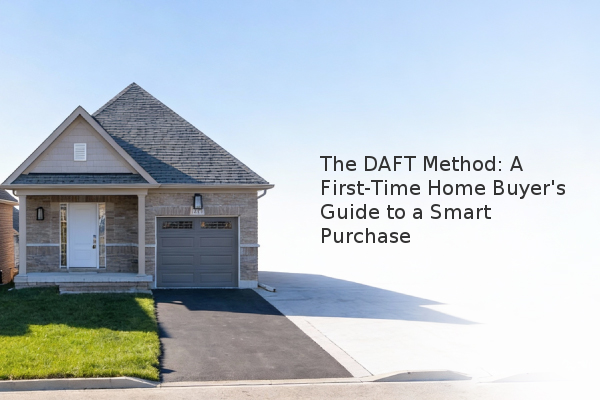
For first-time home buyers, navigating the complex US real estate market can be overwhelming. The DAFT method provides a structured, four-step framework—Determine, Analyze, Finance, Transfer—to guide you toward a confident and informed purchase. This systematic approach helps you clarify your budget, evaluate properties critically, secure the right mortgage, and complete the transaction without costly surprises. By following this method, you can transform a potentially stressful process into a manageable and strategic journey to homeownership.
The DAFT method is an acronym representing a sequential process for buying a home. It stands for Determine Your Budget, Analyze the Property, Finance the Purchase, and Transfer the Title. This framework ensures you address financial readiness before emotional attachment, conduct thorough due diligence, secure appropriate funding, and navigate the final legal steps. Adopting this method helps mitigate common pitfalls, such as overextending financially or overlooking critical property defects.
Before you look at a single listing, you must establish a clear and realistic budget. This goes beyond the listing price to include all associated costs of homeownership. Start by calculating your Debt-to-Income (DTI) ratio, a key metric lenders use to assess your ability to manage monthly payments. Your DTI is your total monthly debt payments divided by your gross monthly income. A DTI ratio below 43% is generally required for a conventional loan.
| Affordability Factor | Calculation Example |
|---|---|
| Target Home Price | 3-4x your annual gross income |
| Down Payment | 3%-20% of the home's purchase price |
| Closing Costs | 2%-5% of the loan amount |
| Monthly Mortgage Payment | Principal, Interest, Taxes, and Insurance (PITI) |
Additionally, factor in ongoing costs like property tax, homeowners insurance, and Private Mortgage Insurance (PMI), which is typically required if your down payment is less than 20%. Property tax is an annual levy by local governments based on the assessed value of your home. PMI is an insurance that protects the lender if you default on the loan.
Once your budget is set, you can begin analyzing properties that fit your criteria. This step involves more than just liking the floor plan. A thorough analysis includes a professional home inspection, which is a comprehensive examination of the property's physical structure and systems, from the foundation to the roof. Never waive this contingency. Research the neighborhood's market trends, school districts, and proximity to essential services. Check for any pending zoning changes or future development plans that could affect your property's value or enjoyment.
Securing financing is a critical step. Compare different types of mortgages, such as fixed-rate and adjustable-rate (ARM) loans. A fixed-rate mortgage has an interest rate that remains the same for the entire loan term, providing payment stability. An ARM has an interest rate that may change periodically, which could mean lower initial payments but higher risk later. Get pre-approved from multiple lenders to compare interest rates and fees. Your credit score will significantly impact the rates you are offered, so review your report beforehand for any errors.
The final step, also known as closing or settlement, is the legal transfer of ownership from the seller to you. This process involves several key parties, including a title company or real estate attorney. You will purchase title insurance, a policy that protects you and the lender from financial loss due to defects in the title, such as unknown liens or ownership disputes. During the final walk-through, verify that the property is in the agreed-upon condition. At the closing table, you will sign numerous documents, pay your closing costs and down payment, and finally receive the keys.
By following the DAFT method, you create a logical pathway to homeownership. The key takeaways are to first establish a firm financial foundation, then conduct meticulous research on your potential home, secure competitive financing, and finally, ensure a legally sound transfer of property. This disciplined approach significantly increases your chances of a successful and satisfying purchase.