Browse

Log in / Register
 Share

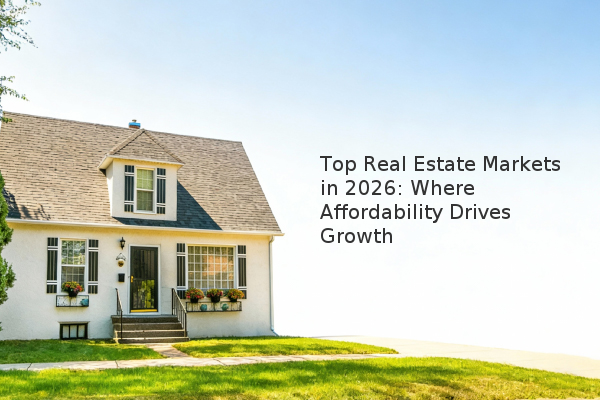
While many U.S. housing markets are experiencing a slowdown, specific metropolitan areas are projected to see continued price appreciation and sales activity in 2026. Based on our experience assessment, these resilient markets share a common trait: sustained affordability relative to national averages, which supports ongoing demand from local and remote buyers. This analysis identifies the key factors driving these markets and what it means for buyers and sellers.
A resilient real estate market in the current economic climate is characterized by a stable local economy, home prices below the national median, and a steady influx of buyers. These areas typically did not experience the extreme price spikes seen in other regions during the previous period of low mortgage rates. As a result, they are on more solid footing, with room for measured growth. The primary driver is affordability, allowing a broader pool of buyers to enter the market even with higher financing costs. Markets with significant military installations or universities also benefit from a constant stream of new residents, creating a stable base of demand.
Several markets across the country demonstrate the stability needed for growth in 2026. Their median home prices are generally more accessible, making homeownership a realistic goal for a larger segment of the population.
These markets illustrate that economic diversity and affordability are key indicators of stability. Buyers in these areas can expect competition for well-priced homes, while sellers may see continued, if more moderate, price increases.
For buyers, entering a growing market requires a clear strategy. Pre-approval for a mortgage is essential to act quickly in competitive situations. Buyers should be prepared for multiple-offer scenarios on attractive properties, though typically not at the extreme levels seen in prior years. It is important to focus on homes within your budget and be ready to adjust expectations; purchasing a smaller or older starter home—a property suited for a first-time buyer—may be a necessary first step. Working with a local real estate agent who understands the nuances of the market is highly recommended.
Sellers in these markets are in a favorable position, but must price their homes realistically. Homes that are priced correctly for the local market are likely to attract serious interest. While properties may not sell significantly over the asking price as they did previously, well-maintained homes in desirable locations can still expect to sell within a reasonable timeframe. Sellers can enhance their property's appeal by ensuring it is in good condition and marketing it effectively to highlight its key features.
The current real estate landscape in 2026 favors markets where affordability has been maintained. For participants on all sides, understanding local dynamics and setting realistic expectations based on current data is crucial for success. The most active markets are those that offer a balance of economic opportunity and attainable housing costs.