Browse

Log in / Register
 Share

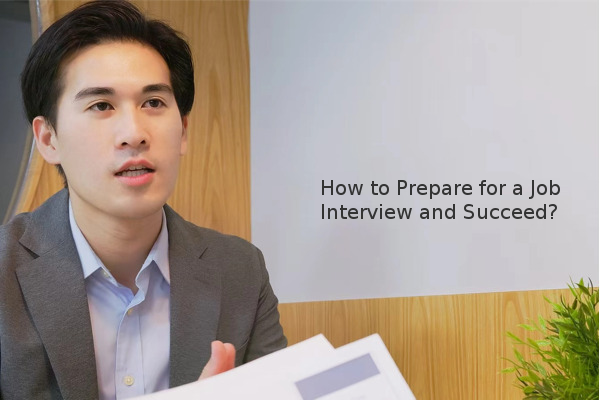
Securing a job offer often hinges on your performance in the interview. Based on industry assessments, candidates who thoroughly prepare by researching the company, practicing responses to common questions, and presenting themselves professionally significantly increase their likelihood of success. This guide outlines a structured approach to interview preparation and execution.
An interview is a structured conversation—a core component of the candidate screening process—between a hiring manager and an applicant. Its primary purpose is to assess the candidate's skills, experience, and cultural fit beyond what is listed on their CV. Recruiters use this dialogue to evaluate which candidate is best suited for the role and the organization. While some companies have a single interview, others conduct multiple rounds, including panel or group interviews, to gather diverse perspectives.
The initial minutes of an interview are critical. Your goal is to demonstrate professionalism and enthusiasm from the moment you arrive.
How you communicate your experience is as important as the experience itself. Effective responses are clear, concise, and backed by evidence.
Thorough preparation is what separates good candidates from great ones. This involves more than just reviewing common questions.
| Preparation Task | Key Action | Why It Matters |
|---|---|---|
| Company Research | Study the company’s website, mission, recent news, and key staff on LinkedIn. | Allows you to tailor your answers and show genuine interest. |
| CV Familiarization | Re-read your own CV and be prepared to discuss any point in detail. | Ensures consistency and helps you highlight relevant achievements. |
| Question Preparation | Prepare 3-5 intelligent questions to ask the interviewer. | Demonstrates your engagement and helps you determine if the role is right for you. |
| Logistical Readiness | Lay out your outfit, print extra CV copies, and ensure your portfolio is organized. | Reduces morning-of stress and allows you to focus entirely on the interview. |
Prepare questions for the interviewer that show you've done your homework. Examples include: "Can you describe the company culture?" or "What are the biggest challenges someone in this role would face in the first six months?"
Your responsibility doesn’t end when the interview questions stop. A key final step is to send a thank-you email within 24 hours to each person you spoke with. Reiterate your interest in the position and briefly mention a key point from your conversation. This reinforces your enthusiasm and professionalism.
To maximize your chances of success, focus on these key takeaways: conduct deep company research, practice answers using the STAR method, prepare thoughtful questions for the interviewer, and always send a follow-up thank-you note. This comprehensive approach demonstrates you are a serious, well-prepared candidate.