Browse

Log in / Register
 Share
Share

For today's aspiring homeowner, the traditional path of buying a small, affordable starter home has become significantly more challenging due to high prices and low inventory. Based on our experience assessment, achieving homeownership now requires a flexible approach, including considering smaller properties, different locations, or alternative housing types like Accessory Dwelling Units (ADUs). The core strategy is to prioritize building equity over finding a "perfect" first home.
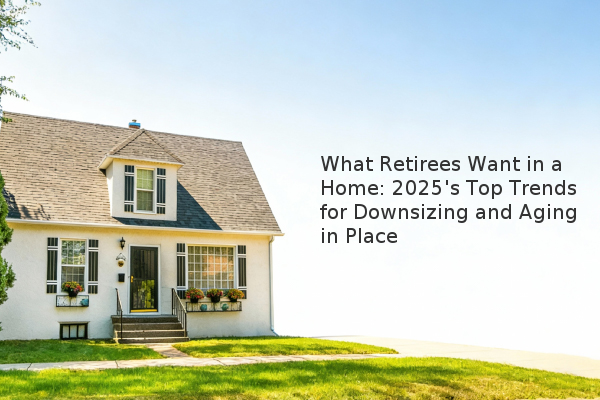
A starter home is typically a smaller, more modestly priced property that serves as an entry point into homeownership. The primary goal is not to find a forever home but to begin building equity—the portion of the home you truly own versus the amount owed on your mortgage. As Danielle Hale, a chief economist, explains, the idea is to use this accumulated equity later to trade up to a larger property. Historically, these homes were around 800-1,000 square feet. Today, the definition is more fluid; a starter home is ultimately any property that fits your budget and allows you to stop paying rent and start building wealth through real estate.
The scarcity of starter homes stems from several market forces. A primary factor is the high cost of construction, including land, labor, and materials. However, the most significant barriers are often zoning laws and building codes that favor larger, single-family homes on larger lots. Furthermore, from a development perspective, builders often focus on larger homes because they are more profitable. The median price for a new construction home is significantly higher than what many first-time buyers can afford, creating a gap in the market for new, modestly sized homes. High mortgage interest rates compared to previous decades further exacerbate affordability issues for buyers.
Given the market challenges, a successful search requires a shift in strategy. Instead of focusing solely on turn-key properties in the most popular neighborhoods, consider these approaches:
For many, alternative housing models present a realistic path to homeownership. One significant trend is the rise of the Accessory Dwelling Unit (ADU). An ADU is a secondary housing unit on a single-family lot, such as a converted garage, basement apartment, or a small, newly constructed cottage. Several states have passed laws to make it easier to permit and build ADUs, increasing the supply of smaller, more affordable rental and ownership options. Additionally, the tiny house movement reflects a growing demand for smaller, more sustainable, and cost-effective living spaces. Some developers are now creating communities with shared amenities centered around these smaller homes, offering a new model for first-time buyers.
Navigating the 2026 real estate market requires a pragmatic and informed approach. While the classic starter home may be less common, opportunities for homeownership still exist for those willing to adapt.