Browse

Log in / Register
 Share
Share
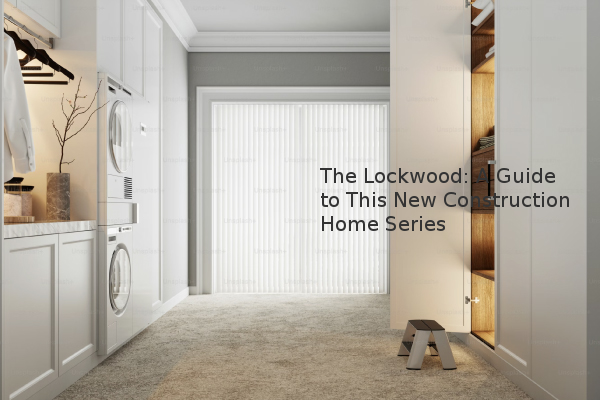
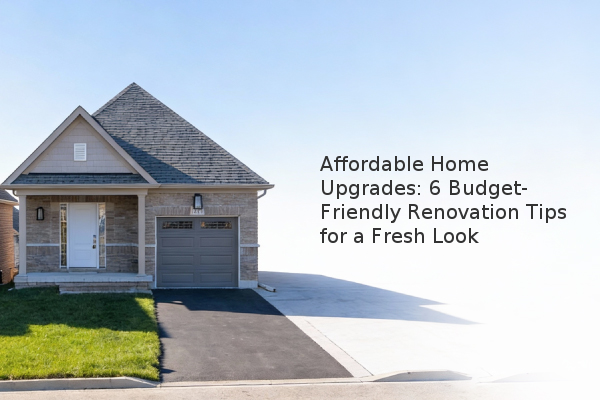
For homebuyers seeking a modern, low-maintenance lifestyle, The Lockwood series of new construction homes represents a compelling option that blends contemporary design with energy-efficient features. Developed by national and regional builders, these homes are often part of larger planned communities, offering a turnkey solution for everyone from first-time buyers to those looking to downsize. This guide provides an objective overview of what defines a Lockwood home, the typical buying process, and key considerations for your decision.
What Defines a Lockwood Home? The Lockwood is not a single model from one builder but a popular series name used by several production builders across the United States. While specific floor plans and elevations vary by builder and state, these homes share common characteristics. They typically feature open-concept living areas, modern amenities like stainless steel appliances and smart home pre-wiring, and a focus on energy efficiency, which can lead to lower utility costs. The Freehold ownership model, meaning you own the house and the land it sits on, is standard for most single-family Lockwood homes. Understanding these consistent features helps you evaluate a Lockwood home against other new construction options.
The Typical Buying Process for a New Construction Home Purchasing a Lockwood home differs from buying a resale property. The process often begins with selecting a lot and a floor plan from the builder's available inventory. You will then work with the builder's sales representative to choose structural options and design upgrades. A critical step is securing Title Insurance, which protects the homeowner and lender against losses from disputes over the property's legal ownership. It's highly recommended to hire an independent real estate agent who specializes in new construction to represent your interests during negotiations and to arrange for a third-party home inspection at key construction stages, not just at the final walk-through.
Financial Considerations and Potential Pitfalls While the base price of a Lockwood home is clear, your final cost will include upgrades, lot premiums, and closing costs. Builders often have preferred lenders, but you are not obligated to use them; shopping around for a mortgage can save you money. Be aware of property tax assessments, as a new home will be assessed at its purchase price, which can be significantly higher than older homes in the area. Use the following table to track potential costs beyond the base price.
| Cost Category | Description | Estimated Range |
|---|---|---|
| Structural Upgrades | Changes to the floor plan (e.g., adding a basement) | $10,000 - $50,000+ |
| Design Center Upgrades | Finishes like flooring, cabinets, and countertops | $5,000 - $30,000+ |
| Lot Premium | Fee for a desirable lot (e.g., backing to trees) | $5,000 - $25,000 |
| Closing Costs | Lender and title company fees | 2% - 5% of loan value |
Evaluating the Builder and Community The quality of your Lockwood home is directly tied to the builder's reputation. Research the builder's history, read reviews from past buyers, and if possible, visit a completed community. Inquire about the warranty coverage on workmanship and materials. Also, consider the homeowners association (HOA) if the community has one. The HOA will have monthly or annual fees and covenants that govern exterior home appearance, landscaping, and more. Understanding these rules beforehand is essential to ensure the community aligns with your lifestyle.
In summary, a Lockwood home offers a modern living solution, but requires diligent research. Key takeaways include: secure independent representation from a buyer's agent, thoroughly understand all costs beyond the base price, and vet the builder's reputation thoroughly. By approaching the process with a clear-eyed understanding of both the benefits and complexities, you can make a well-informed decision.