Browse

Log in / Register
 Share
Share
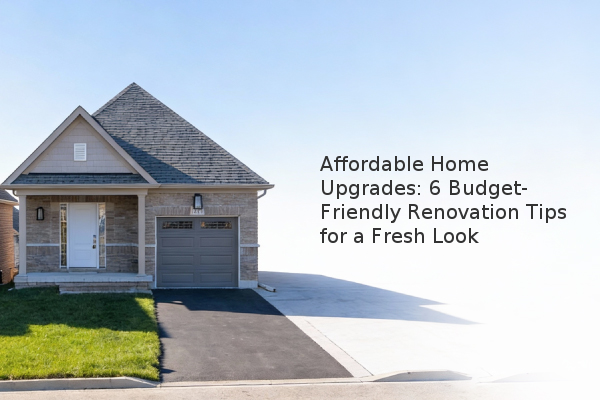
For homeowners seeking a significant visual impact without a full-scale renovation, strategic, low-cost upgrades can deliver remarkable results. Based on our experience assessment, the most effective budget-friendly improvements often involve refreshing existing elements like paint and furniture rather than complete replacements. Focusing on lighting, layout, and cosmetic updates can transform a living space's feel and functionality for a fraction of the cost of a major remodel. This approach maximizes return on investment while minimizing disruption.
Instead of replacing sentimental or structurally sound furniture, reupholstering is a highly effective strategy. Reupholstering involves replacing the fabric and padding on an existing piece of furniture, giving it a completely new appearance. This is particularly valuable for items like inherited sofas or chairs that hold emotional significance but look dated. By selecting modern, lighter fabrics, you can instantly brighten a room. This process is significantly less expensive than buying new, high-quality furniture and is an excellent way to preserve family history while updating your home's style. Pairing reupholstered pieces with a new area rug and updated lighting fixtures can cohesively tie the room together.
Often, a room's flow can be hindered by poor furniture placement rather than the furniture itself. A simple yet powerful technique is to reorient key pieces, such as a dining table. Rotating a table 90 or 180 degrees can fundamentally change the traffic pattern and make the space feel larger and more open. This costs nothing but can dramatically improve functionality for family meals and entertaining. The principle of space planning—the intentional arrangement of furniture to optimize use and movement—is key. By removing non-essential items like outdated hutches and side tables, the room feels less cluttered, allowing the primary furniture to shine in its new, optimal position.
Increasing natural light is one of the most desirable home upgrades. In rooms like kitchens, adding new windows or enlarging existing ones can make the space feel more expansive, cheerful, and energy-efficient. While this is a more involved project than painting, it avoids the expense of a full room gut renovation. The strategic sacrifice of a small amount of upper cabinetry to accommodate a new window can flood a kitchen with light, enhancing the ambiance and providing a connection to the outdoors. For a less invasive option, homeowners can consider installing a skylight or a solar tube, which are often more affordable than traditional window additions.
Never underestimate the transformative power of paint. A fresh coat of paint is arguably the most cost-effective upgrade available. When selecting colors, consider color therapy principles, which suggest that certain hues can influence mood. For example, shades of blue are often recommended for bedrooms due to their calming and soothing effects. Moving from dark, dated colors to light, neutral, or intentionally calming palettes can make a room feel larger, cleaner, and more modern. This simple change provides a clean canvas for your decor and can be done as a DIY project to save even more on labor costs.
For families sharing a bathroom, functionality is paramount. A clever solution to sink congestion is to install a trough sink. A trough sink is a single, elongated basin that accommodates multiple faucets. This allows several people to use the sink simultaneously, eliminating morning and evening bottlenecks. This unique fixture is often more affordable than installing two separate vanity sinks and provides a modern, custom look. It’s a practical upgrade that directly addresses a common household problem without requiring a complete bathroom overhaul or breaking the bank.
Replacing wall and floor tile is messy and expensive. A proven budget-friendly alternative is reglazing. Reglazing is a process where existing tiles are professionally cleaned, repaired, and coated with a durable, new finish. This can change the color and sheen of outdated tiles (like old yellow bathroom tile) for a fraction of the replacement cost. For dated tile floors, another option is to cover them with luxury vinyl plank (LVP) flooring. LVP is a resilient, water-resistant flooring product that can be installed directly over existing tile, providing a fresh, modern look with minimal preparation and cost.
In summary, a significant home refresh does not require a massive budget. The key is to focus on high-impact, low-cost strategies: reupholster instead of replace, rethink your furniture layout, maximize natural light, apply a fresh coat of paint, opt for multifunctional fixtures, and consider reglazing or covering old tiles. By prioritizing these smart upgrades, you can achieve a renewed look and improved functionality that meets your needs and preserves your investment.