Browse

Log in / Register
 Share

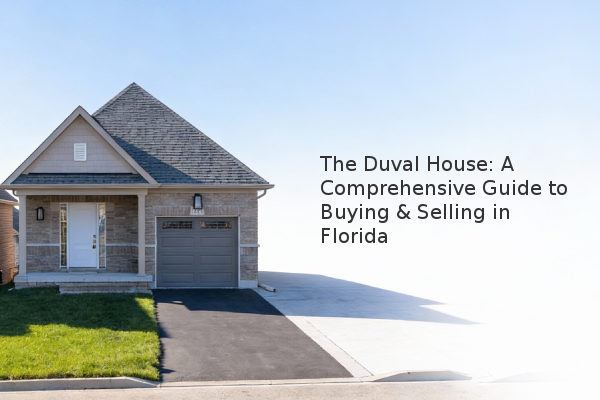
The Duval House, a property type primarily found in Jacksonville, Florida, represents a specific segment of the state's real estate market characterized by its architectural style, historical significance, and location within Duval County. For buyers and sellers, understanding the nuances of these properties is critical. The core factors influencing a Duval house's value are its historical context, condition, location within Duval County's diverse neighborhoods, and current local market trends. This guide provides an objective analysis of these elements to inform your real estate decisions.
The term "Duval house" typically refers to a residential property located in Duval County, Florida, with Jacksonville being the county seat. While not an official architectural classification, it often describes homes built during specific growth periods in Jacksonville's history, such as the early 20th-century craftsman bungalows in the Riverside/Avondale historic districts or mid-century modern homes in areas like Arlington. Key characteristics can include specific design features, lot sizes, and proximity to the St. Johns River. Understanding this context is the first step in assessing a property's appeal and market position.
Purchasing a home in this market requires a focus on due diligence beyond standard home-buying checks. A thorough inspection is non-negotiable, with special attention to potential issues common in Florida, such as humidity-related mold, foundation settling in sandy soil, and the condition of the roof due to intense sun and seasonal storms. Furthermore, for homes in designated historic districts, buyers must investigate any renovation restrictions enforced by local preservation boards, which can limit exterior modifications.
It is also vital to research neighborhood-specific trends. The value and demand for a Duval house can vary dramatically between the urban core of Downtown Jacksonville, the suburban communities of Mandarin, and the beach-adjacent areas like Jacksonville Beach. Analyzing recent sales data, or comps (comparables), for similar properties in the exact neighborhood provides a realistic picture of fair market value.
For sellers, maximizing a property's value involves strategic preparation. Highlighting unique features, such as historical details, recent updates (like a new HVAC system rated for Florida's heat), or proximity to amenities like the Riverwalk, can significantly enhance buyer interest. Based on our experience assessment, proper staging and professional photography that emphasizes these strengths are highly effective.
Setting the right listing price is critical. An objective analysis using a CMA (Comparative Market Analysis) conducted by a real estate professional will compare your home to recently sold properties, active listings, and those that expired unsold. This data-driven approach helps set a competitive price that attracts serious offers without leaving money on the table. The following table illustrates sample price per square foot ranges in different Duval County zones, though actual figures fluctuate with market conditions.
| Duval County Area | Sample Price per Sq. Ft. Range (Illustrative) |
|---|---|
| Riverside/Avondale (Historic) | $250 - $400+ |
| Mandarin (Suburban) | $180 - $280 |
| Arlington (Established) | $150 - $230 |
| Jacksonville Beaches | $300 - $500+ |
Whether buying or selling, the transaction process for a Duval house follows standard Florida real estate procedures but requires attention to local specifics. Title insurance is essential to protect against any undisclosed liens or ownership disputes, which can be more common with older, historically significant properties. The closing process will involve prorated costs for annual property taxes and potentially homeowners' association (HOA) fees if the property is within a managed community.
For buyers, securing financing with a clear understanding of flood insurance requirements is paramount, as many areas in Duval County are in designated flood zones, impacting monthly costs. Sellers must be prepared to provide a clear title and address any repair requests negotiated during the inspection period.
In summary, successfully navigating the Duval house market hinges on understanding its unique local characteristics, from historical designations to Florida-specific maintenance concerns. Conduct thorough due diligence, leverage professional market analyses for pricing, and prioritize inspections and insurance to mitigate risks. This objective approach provides a solid foundation for making informed real estate decisions in Jacksonville's diverse property landscape.