Browse

Log in / Register
 Share

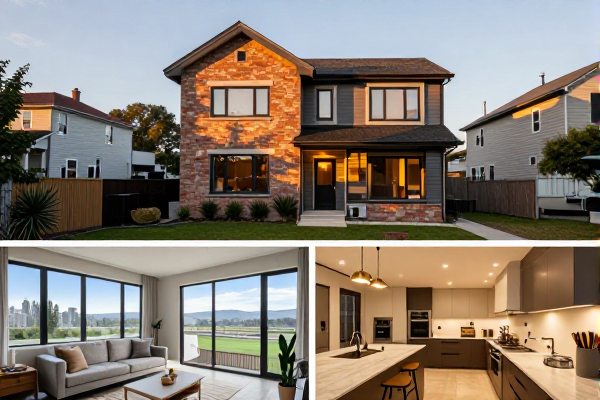
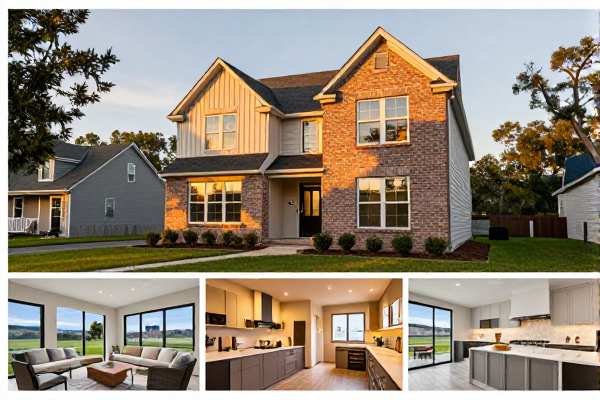
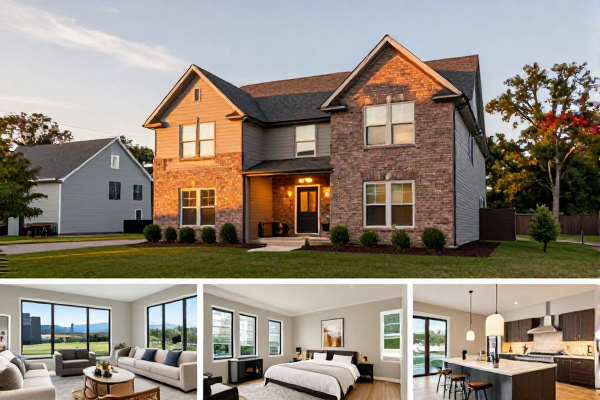
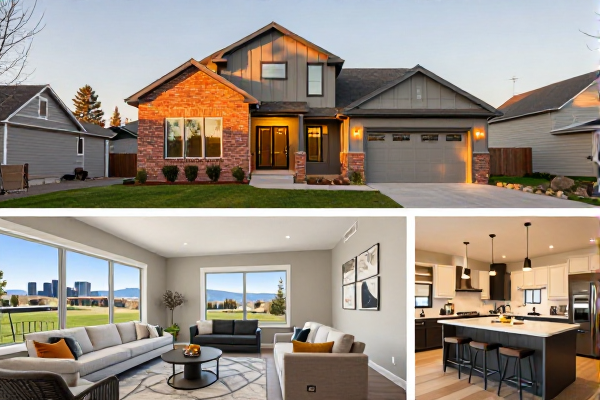
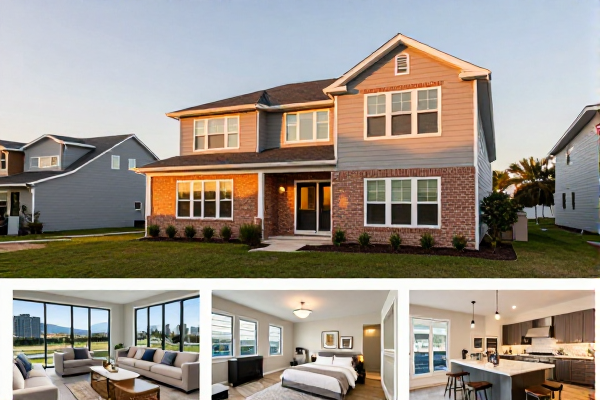
High borrowing costs and persistent affordability challenges are fundamentally reshaping the American housing market, leading to a significant trend: the rise of the smaller starter home. Based on analysis of the latest industry data, the median size of a new single-family home has declined for three consecutive years, settling at approximately 2,150 square feet in 2024. This shift is a direct response to financial pressures, making compact, efficient layouts the new baseline for entry-level homeownership in 2026.
The primary driver is severe affordability pressure. A household is considered "cost-burdened"—a standard classification from the U.S. Department of Housing and Urban Development (HUD)—when its monthly housing costs exceed 30% of its monthly income. Data indicates that 24% of all homeowner households fell into this category in 2023. With the median home price rising significantly over the past five years and the average 30-year mortgage rate remaining elevated compared to the historic lows of 2021, builders are responding to market demand for lower-priced options. The only way to reduce the final sale price without sacrificing construction quality is to reduce the home's square footage.
| Factor | Impact on Home Size & Affordability |
|---|---|
| Elevated Mortgage Rates | Increases monthly payment, forcing buyers to seek smaller, less expensive homes. |
| Rising Insurance & Property Taxes | Adds to overall housing cost burden, leaving less budget for a large mortgage. |
| Increased Construction Costs | Builders focus on efficient, smaller footprints to keep base prices attainable. |
Instead of traditional detached single-family homes, developers are increasingly prioritizing density and efficiency. The new strategy involves a shift toward townhomes, build-to-rent communities, and dense infill developments. These property types maximize land use and offer a lower price point per unit. Based on our experience assessment, this is particularly prevalent in high-cost states like California and Massachusetts, where the traditional concept of a starter home has become financially out of reach for many. Builders are creating units that prioritize functional living spaces over sheer square footage, often featuring open floor plans and multi-purpose rooms.
The definition of a starter home has evolved from a small house with a yard to a property defined by its affordability and efficient use of space. Today’s starter home is less about the number of bedrooms and more about how the space functions. Buyers are prioritizing low-maintenance properties with modern finishes and flexible layouts. In many high-cost areas, a starter home priced at or below 80% of the local median can still reach or exceed $1 million, despite offering significantly less square footage than a decade ago. The key metric for many young families is no longer size, but whether they can afford to live within a reasonable commute of their workplace.
Location remains the most critical factor in price and size. The disparity across the United States is substantial.
The key takeaway is that the compression of space for affordability is a nationwide trend, though the severity varies dramatically by region.
The future of starter homes is closely tied to broader economic factors, including interest rate movements, construction material costs, and potential policy interventions. Challenges such as a shortage of construction workers, rising land costs, and regulatory barriers continue to constrain the supply of affordable new homes. Solving the affordability crisis will likely require a combination of market adaptation and supportive policy measures, such as expedited permitting and new financing tools for attainable housing projects.
In conclusion, the American dream of homeownership is being redefined by economic reality. Prospective buyers in 2026 should be prepared to prioritize efficiency and location over square footage. Focusing on a home's functional layout and low-maintenance needs can provide better value than seeking maximum space. While the market presents challenges, understanding these trends is the first step toward making an informed and achievable home purchase.