Browse

Log in / Register
 Share
Share
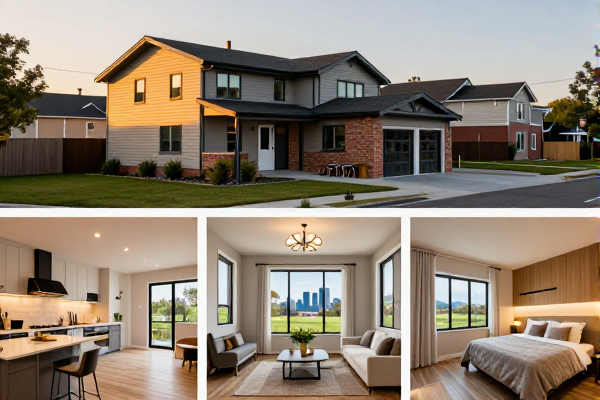
For tenants seeking an affordable and flexible housing option, renting a mobile home can be a strategic choice in 2026. This guide provides a comprehensive overview of the process, from finding listings and understanding lease agreements to budgeting for unique costs like lot rents. The key to a successful rental experience lies in thorough due diligence, a clear understanding of the financial commitments, and a meticulous inspection of the home's structure and systems.
Often referred to as manufactured homes, these are structures built in a factory and then transported to a specific location. When you see "mobile homes to let," it typically means you are renting the physical structure itself, which may be situated in a mobile home community (or park) where you also pay a separate lot rent, or on a private piece of land. It is crucial to distinguish this from renting a site-built house or an apartment. The rental agreement will specify who is responsible for maintaining the home's structure, plumbing, and major appliances.
Starting your search requires knowing where to look. While traditional online rental platforms list some properties, many "mobile homes to let" are advertised through community bulletin boards, local newspapers, or signs posted at the entrance of mobile home parks. Once you find a potential home, the application process is similar to other rentals: you'll complete a form, consent to a credit and background check, and provide proof of income. The critical document is the lease agreement. Scrutinize the lease to understand if it is a pure rental or a "rent-to-own" agreement, as the latter involves different financial and legal implications. Verify which utilities (water, sewer, trash, gas, electric) are included in the rent and which are your responsibility.
The monthly rent is only one part of the financial picture. In a community setting, you will likely pay a lot rent fee to the park owner for the land your home occupies and for access to shared amenities. Based on 2026 market trends, the average lot rent in the United States ranges from $200 to $600 per month, but this can be significantly higher in desirable regions. You must also budget for security deposits, potential pet deposits, and utility setup fees. Creating a simple budget spreadsheet can help clarify the total monthly obligation.
| Expense Category | Estimated Monthly Cost (2026) | Notes |
|---|---|---|
| Home Structure Rent | $400 - $900 | Varies by size, age, and location. |
| Park Lot Rent | $200 - $600+ | Covers land use and common area maintenance. |
| Utilities (Electric/Heating) | $100 - $300 | Highly dependent on climate and home efficiency. |
| Water/Sewer/Trash | $50 - $100 | Sometimes included in the lot rent. |
| Total Estimated Monthly Cost | $750 - $1,900+ |
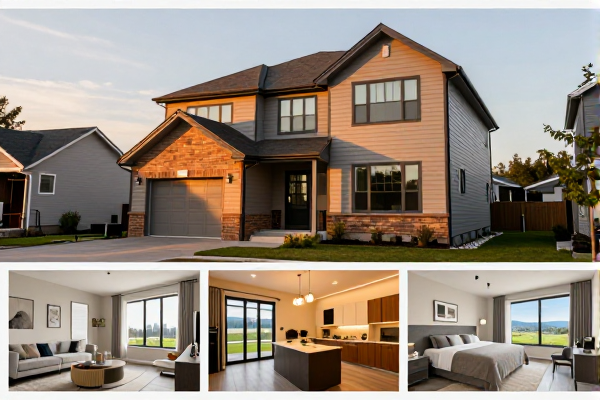
Before signing a lease, conduct a thorough inspection. Check for signs of water damage, soft spots in the flooring, the age and condition of the heating and cooling system, and the integrity of skirting and roofing. A common pitfall is underestimating the responsibility for maintenance; confirm in writing what repairs the landlord handles versus what falls to you. Understand the park's rules and regulations, which govern everything from guest parking to exterior decorations. Finally, investigate the park's ownership and management stability, as a sale of the community could lead to significant changes in lot rent or policies.
In summary, a successful mobile home rental requires a meticulous approach to the lease agreement, a realistic budget that includes all potential fees, and a proactive inspection of the property. Always clarify maintenance responsibilities and park rules before committing.