Browse

Log in / Register
 Share

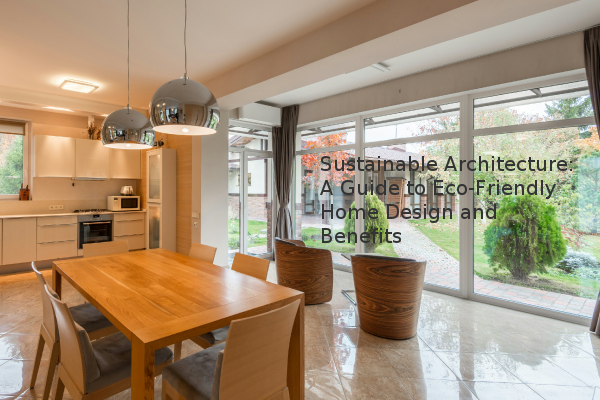
Sustainable architecture focuses on designing and constructing buildings to minimize environmental impact through energy efficiency, responsible material sourcing, and reduced resource consumption. For homeowners, this approach can lead to significant long-term savings on utility bills, a healthier indoor environment, and a reduced carbon footprint. Whether building new or renovating, understanding sustainable principles is key to creating a more resilient and eco-friendly home.
Sustainable architecture is an approach to building design that prioritizes environmental responsibility throughout a structure's entire lifecycle. This encompasses everything from the initial site selection and design to the choice of building materials, construction methods, energy systems, and even the building's eventual deconstruction. The core goal is to reduce the negative impact on the environment by conserving resources like water and energy and using non-toxic, sustainable, or recycled materials.
This philosophy extends beyond just the construction phase. It also considers how the building will function for its occupants, aiming for high efficiency and comfort while minimizing waste and pollution. A key standard for measuring this is LEED (Leadership in Energy and Environmental Design), a globally recognized green building certification system.
There are two primary strategies for incorporating sustainability: active and passive design. Many effective homes use a combination of both.
Active Sustainable Design relies on mechanical or electrical systems to increase a home's efficiency. These systems often require an initial investment but provide long-term savings.
Passive Sustainable Design utilizes the natural environment and building orientation to minimize energy needs. This is often a cost-effective approach integrated during the design phase.
Choosing the right materials is fundamental to sustainable architecture. Green materials are typically sourced from renewable resources, are highly durable, or are recycled.
| Material | Key Characteristics & Benefits |
|---|---|
| Bamboo | A fast-growing, renewable resource that is very strong, often used for flooring and cabinetry. |
| Reclaimed Wood | Salvaged from old buildings or structures, giving it a second life and reducing demand for new lumber. |
| Recycled Steel | Using recycled steel significantly reduces the energy required for production compared to new steel. |
| Cork | Harvested from the bark of cork oak trees without cutting them down, making it a renewable option for flooring. |
These materials help reduce a home’s embodied carbon—the total greenhouse gas emissions generated during the manufacturing, transportation, and construction of building materials.
Adopting sustainable architecture offers tangible advantages that extend beyond environmental protection.
To make your existing home more sustainable, start with an energy audit. This assessment, often available through local utility companies, identifies the most effective areas for improvement, such as adding insulation or sealing air leaks. From there, you can prioritize upgrades like installing a smart thermostat or switching to LED bulbs for a quick return on investment.