Browse

Log in / Register
 Share

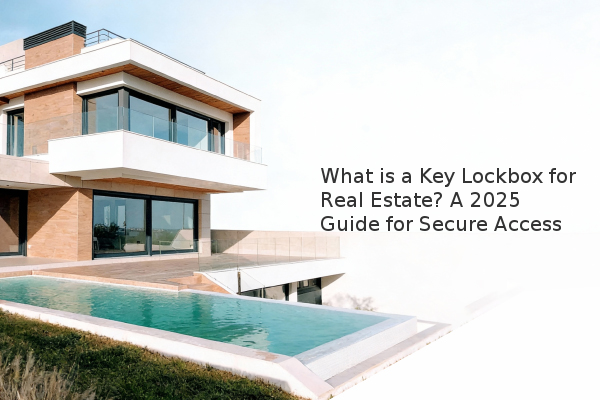
A key lockbox is a portable, secure container used to store property keys, providing controlled access for authorized individuals like real estate agents, potential buyers, or maintenance personnel. In the US real estate market, these devices are essential for facilitating property showings, rental viewings, and contractor access without requiring the owner to be physically present. Based on our experience assessment, the security and convenience of a lockbox depend heavily on the type you choose—from traditional combination models to advanced smart lockboxes that offer remote access control and digital audit trails.
Key lockboxes function by securing a key inside a durable case that can be attached to a fixed object, like a door handle or a dedicated mount. The most basic models use a mechanical dial combination, while modern versions often employ electronic keypads or Bluetooth/Wi-Fi connectivity. For real estate transactions, a Supra iBox® is a common industry tool, which requires a specific electronic key held by licensed real estate agents who are members of the local Multiple Listing Service (MLS). This system logs each access event, providing a record of who entered the property and when, which is a critical feature for accountability.
When selecting a lockbox, you will typically choose between combination, electronic, and smart lockboxes. Each type offers different levels of security and convenience.
Proper placement and usage are critical for maintaining the security of your property. The lockbox should be installed in a discreet location that is not visible from the street to prevent tampering, yet accessible enough for authorized users to find it. It must be securely attached to a permanent fixture; using a sturdy lockbox mount is often safer than attaching it directly to a handle that could be easily cut or broken. Always change default passcodes immediately and use unique, temporary codes for different users whenever possible. For real estate agents, adhering to their brokerage's and MLS's specific protocols for lockbox use is mandatory to ensure compliance with industry standards.
| Feature | Combination Lockbox | Electronic Lockbox | Smart Lockbox |
|---|---|---|---|
| Best For | Low-budget, infrequent use | Controlled temporary access | Maximum security & remote management |
| Security Level | Basic | Moderate | High |
| Access Logging | No | Limited (on some models) | Yes, detailed |
| Cost | $ | $$ | $$$ |
To maximize security, establish a clear protocol for key management. This includes keeping a master key in a secure location separate from the lockbox and ensuring all authorized users understand how to use the device correctly. For homeowners, discussing the specific lockbox type and placement strategy with your real estate agent is a crucial step in your marketing plan. They can advise on the most secure and commonly accepted model in your local market.
Ultimately, the effectiveness of a key lockbox hinges on selecting the right type for your needs and adhering to strict security practices. By choosing a model with features like temporary codes and access logs, and by placing it strategically, you can balance the need for convenient property access with the paramount importance of security. Consult with your real estate professional to determine the best lockbox solution for your specific situation.