Browse

Log in / Register
 Share
Share
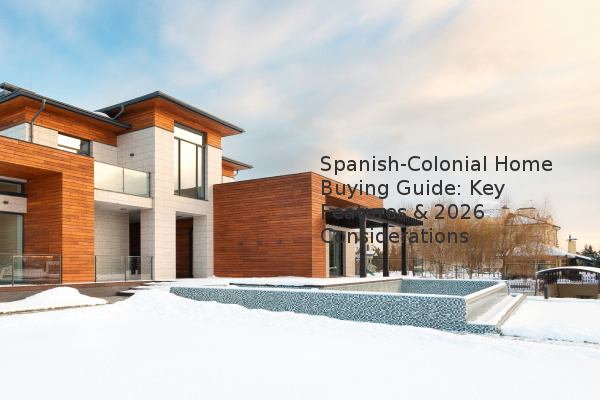
Spanish-Colonial homes offer a unique blend of historic charm and modern livability, making them a compelling choice for buyers in 2026. Characterized by stucco walls, red tile roofs, and arched entryways, these properties require a specific evaluation approach. Key considerations include understanding the maintenance needs of original features like magnesite staircases and the value of updates such as saltwater pools. This guide outlines the essential features to prioritize and the potential pitfalls to avoid when purchasing a Spanish-Colonial home.
Spanish-Colonial architecture, prevalent in states like California, Florida, and Arizona, is inspired by early Spanish missions. Key identifying features include thick, stucco-finished exterior walls, low-pitched roofs with red clay tiles, and arched doorways or windows. Many homes, often built before the 1950s, feature wrought-iron details and small, decorative balconies. Interiors typically showcase rustic elements like exposed wood beams, teak floors (a dense, durable hardwood known for its longevity), and tilework. When evaluating a home, confirming these authentic elements are intact and well-maintained is a primary step, as restoration can be costly.
When viewing a Spanish-Colonial property, focus on both historic integrity and modern updates. A renovated kitchen that maintains the home’s character—for instance, with custom tilework or a built-in banquette—adds significant value. Updated bathrooms that preserve classic elements, such as claw-foot tubs (a freestanding bathtub with feet, characteristic of late 19th and early 20th-century design), are a major plus. Outdoors, authentic landscaping and hardscaping that complement the style enhance the property's appeal. A desirable modern upgrade is a heated saltwater pool, which is generally gentler on the skin and pool finishes than traditional chlorine systems. Pro tip: Look for green-certified renovations, which indicate energy-efficient upgrades that can lead to long-term savings on utility bills.
The very features that provide charm also require diligent upkeep. A primary concern is the roof; clay tiles are durable but can crack and require specialized repair. The stucco exterior needs periodic inspection for cracks to prevent moisture intrusion. Original hardwood floors, like teak, may need refinishing. One unique feature is a magnesite staircase (a flooring material made from magnesium oxychloride, popular in the early 20th century for its seamless appearance). While durable, magnesite can become brittle with age and may require professional restoration. Based on our experience assessment, budgeting 1-2% of the home’s purchase price annually for maintenance is a prudent strategy for these older homes.
The value of a Spanish-Colonial home is tied to its authenticity and updates. To assess its market standing, compare it to similar recently sold properties in the neighborhood. Consider the cost of any necessary repairs or modernizations. The table below provides a simplified overview of potential value-adds versus concerns.
| Feature | Positive Value Impact | Potential Concern |
|---|---|---|
| Updated, Period-Appropriate Kitchen | High | Outdated or poorly executed renovation |
| Restored Original Hardwood Floors | High | Significant damage or replacement with non-original materials |
| Saltwater Pool | Moderate to High | Poor condition or lack of permits |
| Authentic Magnesite Staircase | Moderate (if preserved) | Major cracking or deterioration |
Ultimately, a pre-purchase inspection by a specialist familiar with historic properties is non-negotiable. They can provide a detailed report on the condition of the roof, stucco, plumbing, and electrical systems.
Purchasing a Spanish-Colonial home is an investment in character and history. To make a sound decision, prioritize a thorough inspection focusing on the roof, stucco, and original features. Evaluate modern updates for their quality and compatibility with the home's architecture. Finally, understand the long-term maintenance commitment required to preserve the property's unique value. By focusing on these key areas, you can confidently navigate the purchase of a distinctive Spanish-Colonial home in 2026.