Browse

Log in / Register
 Share

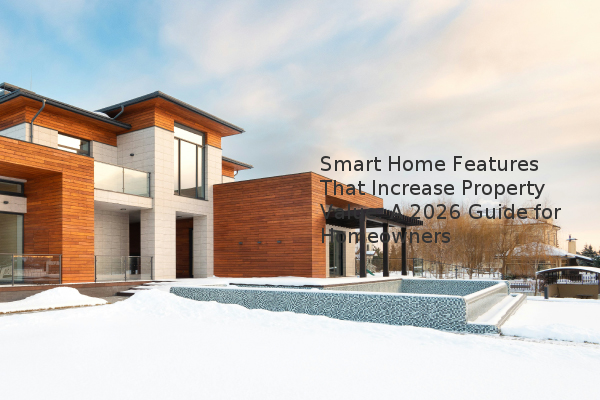
Integrating advanced smart home technology is a significant factor in boosting property value and appeal in the 2026 real estate market. Based on our experience assessment, homes with comprehensive, integrated systems for lighting, climate, and security can see a notable increase in buyer interest and final sale price. The key is a professionally installed, unified system that offers both convenience and energy efficiency, moving beyond simple standalone devices.
What Smart Home Features Do Modern Buyers Value Most?
Modern buyers prioritize systems that offer seamless control and tangible benefits. A whole-home automation system that allows control of lighting, temperature, and audio from a single smartphone app is highly desirable. For example, a Lutron RadioRA lighting system (a premium wireless lighting control solution) allows for custom scenes and schedules, enhancing both ambiance and security. Similarly, a state-of-the-art HVAC system that can be pre-programmed ensures energy efficiency and comfort. These features are no longer just luxuries; they are considered standard upgrades in competitive markets, directly impacting a home's marketability. The appeal lies in the personalized living experience and the potential for long-term utility savings.
How Does Smart Technology Impact the Indoor-Outdoor Living Experience?
Smart technology seamlessly extends living spaces outdoors, a major selling point in climates like California's. The use of large, automated sliding doors, such as 9-foot-tall Fleetwood doors, blurs the line between interior and exterior areas. These spaces can be enhanced with smart-controlled elements like ceiling heaters for winter and fans for summer, making "California rooms" usable year-round. An outdoor kitchen or spa that can be prepared remotely—imagine activating a spa's heater on your way home—adds a layer of luxury and convenience. This integration effectively increases the functional square footage of the home, a key factor in appraisal value.
What Are the Practical Benefits of a Smart Home Beyond Convenience?
The advantages extend far beyond simple convenience to include increased security and energy management. A smart home can simulate occupancy by controlling lights and music when the homeowners are away, acting as a powerful deterrent. From an energy perspective, a smart HVAC system can optimize heating and cooling based on usage patterns, leading to lower utility bills—a strong point for cost-conscious buyers. Furthermore, these systems often come with diagnostic capabilities that alert homeowners to potential maintenance issues before they become costly problems, protecting the home's long-term value.
To maximize your home's value with technology, focus on integrated systems that offer clear benefits in security, energy efficiency, and lifestyle enhancement. While high-end appliances are attractive, the underlying systems that control the entire home are what truly differentiate a property. Investing in a unified smart home infrastructure is a predictable strategy for increasing appeal in the 2026 market.