Browse

Log in / Register
 Share

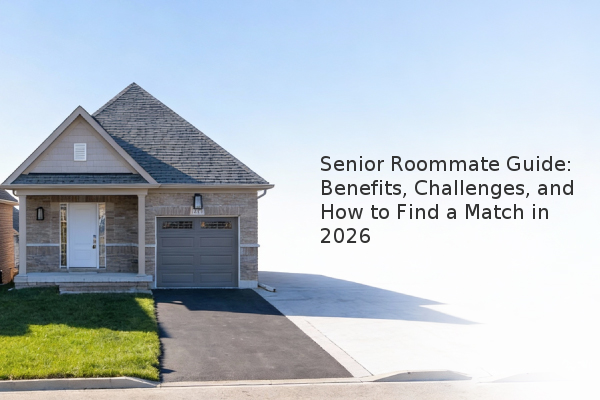
For a growing number of American seniors, particularly women, finding a roommate is a strategic lifestyle choice that provides essential financial support and companionship, enabling them to age in place. Based on our experience assessment, this home-sharing trend, reminiscent of "The Golden Girls," is a practical response to rising housing costs and fixed incomes. While the arrangement offers significant advantages, its long-term success depends on careful compatibility matching and clear agreements.
The core advantages are financial and social. Many seniors live on a fixed income; adding a roommate generates supplemental income to cover mortgage payments, property taxes (a government levy on real estate), and home maintenance costs. This financial buffer can be the difference between staying in a cherished home and facing displacement. Beyond finances, cohabitation combats social isolation, a significant health risk for older adults. Having someone to share meals and conversations with provides a crucial sense of security and community. This pooling of resources often allows seniors to afford a higher quality of life and a more comfortable home than they could manage alone.
| Benefit | Impact |
|---|---|
| Financial Support | Helps cover housing costs, utilities, and maintenance. |
| Companionship | Reduces loneliness and provides daily social interaction. |
| Practical Assistance | Can include help with groceries, light chores, or pet care. |
| Aging in Place | Makes it financially and logistically feasible to remain at home. |
Finding the right match requires a methodical approach beyond casual online listings. Specialized non-profit organizations across the U.S. act as matchmakers, maintaining databases of homeowners and home seekers. These agencies often employ social workers who conduct interviews and facilitate structured introductions, similar to a "date," to assess compatibility. Potential roommates should discuss essential lifestyle preferences upfront, including policies on guests, alcohol, smoking, and noise. To ensure safety and compatibility, a "suitcase test"—a trial period of living together for 7-10 days—is highly recommended before making a permanent commitment.
A clear, written agreement is non-negotiable for preventing disputes. This document, while not a formal lease in all cases, should outline all expectations. Key components include the financial contribution (a specific dollar amount for rent and utilities), the division of household chores, and house rules. It should explicitly state what is expected of each party, avoiding assumptions about responsibilities like yard work or pet care. The agreement protects both the homeowner and the tenant by making all terms transparent from the beginning.
The greatest challenge is navigating changes in health and mobility. An arrangement based on mutual assistance can become strained if one roommate develops significant health issues requiring care. It's critical to understand that roommates are not home health aides; their role is companionship and light, agreed-upon help. Another challenge is personality compatibility. Living habits solidified over decades can lead to conflict if not addressed early. Some homeowners can be set in their ways, and finding a patient, adaptable match is key. These arrangements often have a natural expiration date tied to health events, and both parties should enter the agreement with this understanding.
Based on our experience assessment, a successful senior home-share requires a deliberate process: utilize reputable matching services, insist on a trial living period, and draft a comprehensive agreement that covers finances, chores, and house rules. This approach maximizes the benefits of added income and companionship while minimizing the risks of conflict.