Browse

Log in / Register
 Share
Share
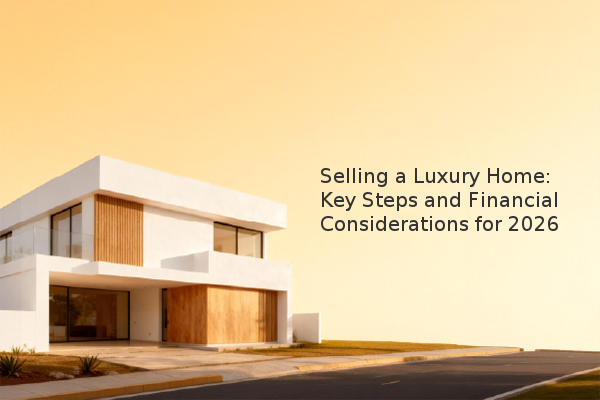
Selling a high-value property requires a strategic approach to maximize your return on investment. For homeowners considering a sale in 2026, understanding the process—from preparing the home for sale to navigating the closing—is critical. The decision to sell is often influenced by market conditions, personal financial goals, or lifestyle changes. Based on our experience assessment, a well-executed sale of a luxury property can yield a significant profit, but it requires careful planning and professional guidance. The core steps involve property valuation, strategic marketing, expert negotiation, and a smooth closing process.
The initial phase involves a professional assessment of the property's value and its readiness for the market. A Comparative Market Analysis (CMA), conducted by a real estate professional, is essential. This analysis compares your home to similar, recently sold properties in the area to determine a competitive listing price. Simultaneously, a pre-listing inspection can identify any potential issues that might deter buyers or affect the sale price. Addressing these concerns beforehand, such as updating a kitchen or repairing a roof, can significantly enhance the property's appeal. For a luxury home with unique features—like a guest house or a custom pool—documenting these assets with professional photography and detailed descriptions is a crucial part of the preparation.
Table: Example Breakdown of Potential Sale Proceeds
| Item | Amount |
|---|---|
| Initial Purchase Price | $1,799,000 |
| Estimated Asking Price (2026) | $2,100,000 |
| Estimated Real Estate Commission (6%) | $126,000 |
| Estimated Closing Costs & Concessions | $50,000 |
| Estimated Net Proceeds | $1,924,000 |
Marketing a luxury property demands a targeted strategy that goes beyond standard listings. High-net-worth buyers are often reached through exclusive networks and premium real estate platforms. The marketing materials should highlight unique amenities, such as a chef's kitchen—a kitchen designed for serious cooking with high-end appliances—or a detached guest house, which provides separate living quarters for visitors or family. Security and privacy are also major selling points; properties within gated communities often command a premium. The showing process is typically managed carefully, with private viewings scheduled for pre-qualified buyers to maintain the property's exclusivity and security.
Once an offer is received, the negotiation phase begins. This involves not just the sale price but also contingencies outlined in the purchase agreement, such as the results of a buyer's home inspection or their ability to secure financing. A critical component for the seller is title insurance, which is a policy that protects the buyer and the lender from future claims against the property's ownership. After terms are agreed upon, the transaction moves to closing, also known as settlement. This is the final step where the property's title—the legal evidence of ownership—is transferred to the buyer, and the seller receives the proceeds. Closing costs for the seller can include agent commissions, property taxes (government levies based on the assessed value of real estate), and transfer taxes.
Selling a luxury home is a significant financial undertaking. To ensure a successful outcome, obtain a professional CMA to price your home competitively, invest in high-quality marketing that showcases unique features, and work with an experienced real estate agent who understands the high-end market. The goal is to navigate the complexities of the transaction to achieve the best possible financial return in the 2026 market.