Browse

Log in / Register
 Share
Share
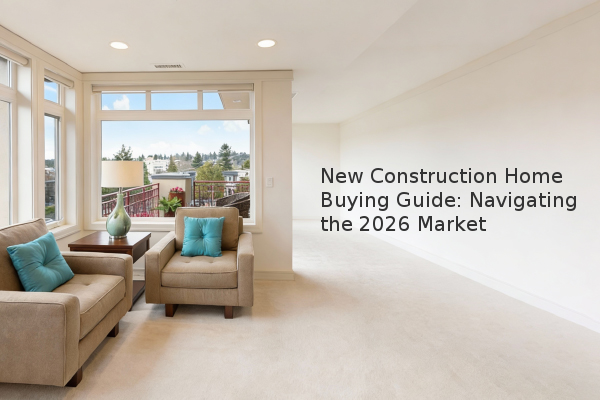
For home buyers in 2026, purchasing a new-construction home can be an attractive alternative to the competitive resale market. While you may avoid bidding wars, this path requires careful navigation of different timelines, financing, and negotiation processes. The key advantage is customization, but it's crucial to understand the full scope of commitments, from securing a construction loan to potentially higher purchase prices. This guide outlines the essential steps and considerations for buying a new-build home in the current real estate landscape.
The process differs significantly from buying an existing home. Instead of making an offer on a completed property, you typically work with a builder's sales agent. You may purchase a home from a planned community's model, select a lot and floor plan, or buy a "spec home" that is already under construction. A critical first step is securing a construction loan, which is a short-term loan used to cover the building costs. Once the home is complete, this loan is typically refinanced into a standard, long-term mortgage. It is highly recommended to hire a real estate agent experienced in new construction to represent your interests during this complex process.
Financing a new build is often more complex. Builders may offer incentives to use their preferred lenders, but it's wise to shop around. Current average rates for a 30-year fixed-rate mortgage are a primary factor in affordability. Based on our experience assessment, market volatility can influence these rates, making it important to lock in a rate when possible. The average loan size for new construction often exceeds that of existing homes due to modern features and larger square footage. You must be prepared for potential cost overruns and ensure your budget has a contingency fund for unexpected expenses that arise during construction.
Thoroughly researching your builder is non-negotiable. Check their license, insurance, and track record with previous projects. Review online reviews and, if possible, speak to past buyers. The contract you sign is paramount. Unlike standard purchase agreements, builder contracts are often heavily weighted in the builder's favor. Pay close attention to clauses regarding change orders (modifications to the original plan), warranties, and closing date contingencies. It is essential to have a real estate attorney review the contract before you sign to ensure your rights are protected.
A common misconception is that new homes don't need inspections. This is a significant error. You should hire a licensed professional home inspector to conduct at least two inspections: one after the foundation is poured and the framing is up, and a final inspection before closing. This ensures that major systems like electrical, plumbing, and structural elements are correctly installed and meet code standards, even behind finished walls. Identifying issues before closing allows the builder to address them under the construction warranty, saving you from costly repairs later.
Understanding the trade-offs is essential for making an informed decision.
Pros:
Cons:
In conclusion, buying a new-construction home in 2026 offers a path to a customized, modern living space but demands due diligence. Key steps include hiring your own agent and inspector, meticulously vetting the builder and contract, and understanding the unique financing requirements. By focusing on these areas, you can better navigate the process and make a sound investment.