Browse

Log in / Register
 Share
Share
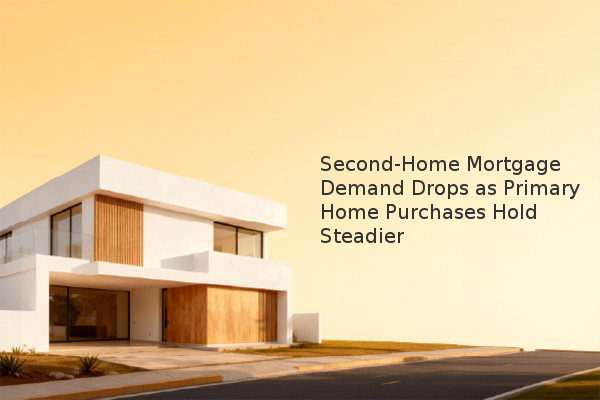
In a significant market shift, demand for mortgages on second homes fell 21% year-over-year in July, marking the second consecutive month of decline. This occurred while demand for primary residence mortgages decreased by a more modest 4%. This is the first time since April 2020 that growth in second-home demand has lagged behind that of primary homes, signaling a potential cooling in the vacation property boom. The shift is largely attributed to soaring home prices, which reached record highs in June before beginning to plateau, causing some prospective buyers to reconsider their plans.
The primary factor appears to be affordability. As of June, U.S. home prices had surged by approximately 25% to record highs, creating a significant barrier to entry for second-home buyers. Unlike primary residence purchases, which are often driven by essential needs, buying a vacation home is a more discretionary expense. When prices climb so dramatically, it forces many potential buyers to pause or cancel their plans. It's important to note that a mortgage-rate lock—an agreement between a homebuyer and a lender that guarantees a specific interest rate for a set period—is a strong indicator of purchase intent. Analysis of this data shows that while down, second-home demand remains substantially above pre-pandemic levels.
Despite the recent dip, the underlying desire for second homes remains robust. The structural shift toward remote work continues to make vacation properties more attractive for long-term stays. According to analysis citing Redfin's lead economist, Taylor Marr, "Demand for second homes remains well above pre-pandemic levels, and we can expect the high level of interest in vacation homes to persist in the new era of remote work." The market is adjusting to this new demand, with builders reportedly shifting resources from commercial projects like hotels to constructing more residential homes, which could help alleviate the historic housing shortage over time.
When a buyer applies for a mortgage, they can often secure a mortgage-rate lock. This contractual agreement protects the borrower from interest rate increases between the time of the lock and the home's closing. Buyers must specify if the property will be a primary residence, a second home, or an investment property. This data is crucial for market analysis, as roughly 80% of these rate locks result in a finalized home purchase, making them a reliable leading indicator of market trends.
Based on our experience assessment, buyers considering a second home in the current market should: