Browse

Log in / Register
 Share
Share
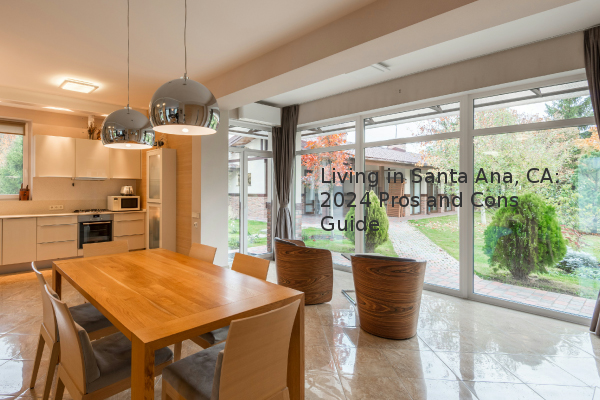
Santa Ana, California, offers a compelling mix of urban energy, cultural richness, and a prime Orange County location, but its high cost of living and traffic congestion are significant factors to weigh. Based on our experience assessment, the city is best suited for those seeking a vibrant, centrally-located community who can accommodate its expensive housing market. This guide breaks down the key advantages and challenges to help you make an informed decision.
What are the benefits of living in Santa Ana?
The city's strengths are rooted in its climate, location, and cultural offerings. Santa Ana enjoys a Mediterranean climate, characterized by warm, dry summers and mild, wet winters, allowing for year-round outdoor activities. This weather pattern is a major contributor to the Southern California lifestyle.
A primary advantage is Santa Ana's central location within Orange County. This provides easy access to major employment centers and world-famous beaches like Newport Beach and Huntington Beach, typically just a 20-30 minute drive away. The city itself boasts a vibrant cultural scene, centered around the Downtown Santa Ana Arts District, which features galleries, theaters, and diverse dining options. Furthermore, the city is home to respected institutions like Santa Ana College and the Orange County School of the Arts, providing substantial educational opportunities.
What are the downsides to consider in Santa Ana?
The most prominent challenge is the high cost of living. Housing costs are the primary driver. As of early 2024, the median home sale price in Santa Ana is $835,000, which is significantly above the national average. For renters, the market is also expensive, with the average monthly rent for an apartment approximately $3,419. These costs extend to everyday expenses, making budgeting crucial.
Traffic congestion is another considerable drawback. As a central hub, major highways like I-5 and the 55 Freeway experience heavy traffic, especially during peak commute hours. This can lead to lengthy delays. Related to traffic are environmental concerns; the city's location in a basin can lead to air quality issues, with smog and pollutants sometimes accumulating. Noise pollution from highways, John Wayne Airport, and urban density can also be a factor for residents sensitive to sound.
How does Santa Ana's architecture and green space balance out?
Santa Ana features distinctive historic architecture that adds character, particularly in areas like the French Park Historic District with its well-preserved Victorian and Craftsman homes. However, the urban environment means green spaces are limited. While parks like Santiago Park offer recreation, they are not as expansive as in some other Orange County cities and can feel crowded on weekends. This creates a trade-off between historic charm and readily available open parkland.
Is Santa Ana the right place for you?
Making a decision involves prioritizing what matters most to you.
Key takeaways:
Ultimately, Santa Ana presents a dynamic living experience with clear trade-offs. By weighing these factors against your personal and financial goals, you can determine if this Orange County core city aligns with your vision of home.