Browse

Log in / Register
 Share

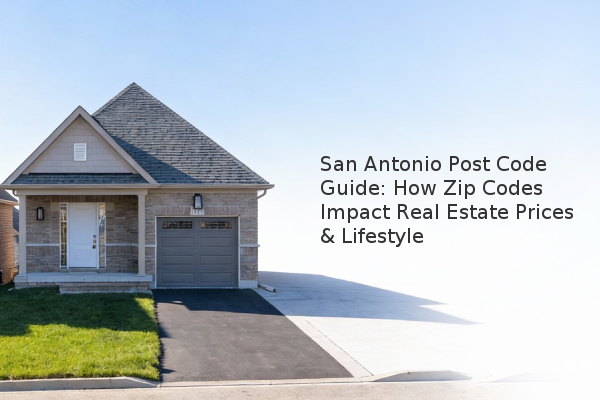
Understanding San Antonio's post codes, or ZIP codes, is crucial for making informed real estate decisions, as they directly influence property values, property taxes, and community amenities. This guide analyzes key neighborhoods by their ZIP codes to help you identify areas that align with your budget and lifestyle preferences. The correlation between a ZIP code and real estate market dynamics provides a clear framework for buyers and investors.
What is a San Antonio Post Code (ZIP Code) and Why Does it Matter? A ZIP Code, an acronym for Zone Improvement Plan, is a system used by the United States Postal Service (USPS) to efficiently route mail. In real estate, a ZIP code often defines a specific neighborhood or suburb, becoming a key identifier for market trends. For a home buyer, the ZIP code can determine the school district, proximity to employment hubs like the South Texas Medical Center or downtown, and overall property tax rates, which are set by local municipalities and counties.
How Do San Antonio ZIP Codes Affect Home Values? Home values can vary significantly across different ZIP codes. For instance, areas with top-rated school districts or extensive commercial development often command higher prices. The table below illustrates the diversity in the San Antonio market based on recent data. Median Home Prices represent the middle point of all homes sold in that area.
| San Antonio ZIP Code | Representative Neighborhoods | Median Home Price (Approx.) | Key Characteristics |
|---|---|---|---|
| 78209 | Alamo Heights, Terrell Hills | $850,000+ | Established, high-property-tax area with premier school districts. |
| 78258 | North Central San Antonio | $425,000 | Family-friendly with strong amenities and accessibility. |
| 78253 | Westside, SeaWorld Area | $285,000 | Affordable entry-point with ongoing development. |
| 78205 | Downtown San Antonio | $550,000+ | Urban core with condos and historic loft conversions. |
What Should You Consider Beyond the Price in a ZIP Code? While price is a primary factor, a thorough assessment should include property taxes, which fund local services like schools and infrastructure. Each municipality within the San Antonio area (e.g., City of San Antonio, Alamo Heights) has its own tax rate. Furthermore, consider homeowners association (HOA) fees in managed communities, which cover shared amenities but add to monthly costs. Commute times to major employers are another critical, often overlooked, aspect of a ZIP code's true cost.
Practical Steps for Evaluating a San Antonio Post Code Before committing to a purchase, take these steps: First, research current property tax rates for the specific ZIP code on the Bexar County Appraisal District website. Second, visit the neighborhood at different times of the day to assess traffic and noise levels. Third, review long-term development plans with the City of San Antonio to understand future infrastructure projects that could affect property values.
Choosing the right San Antonio post code is a balance of financial investment and lifestyle compatibility. By analyzing market data, understanding tax implications, and personally evaluating the community, you can make a strategic decision. Focus on areas with stable growth projections and amenities that match your long-term needs.